
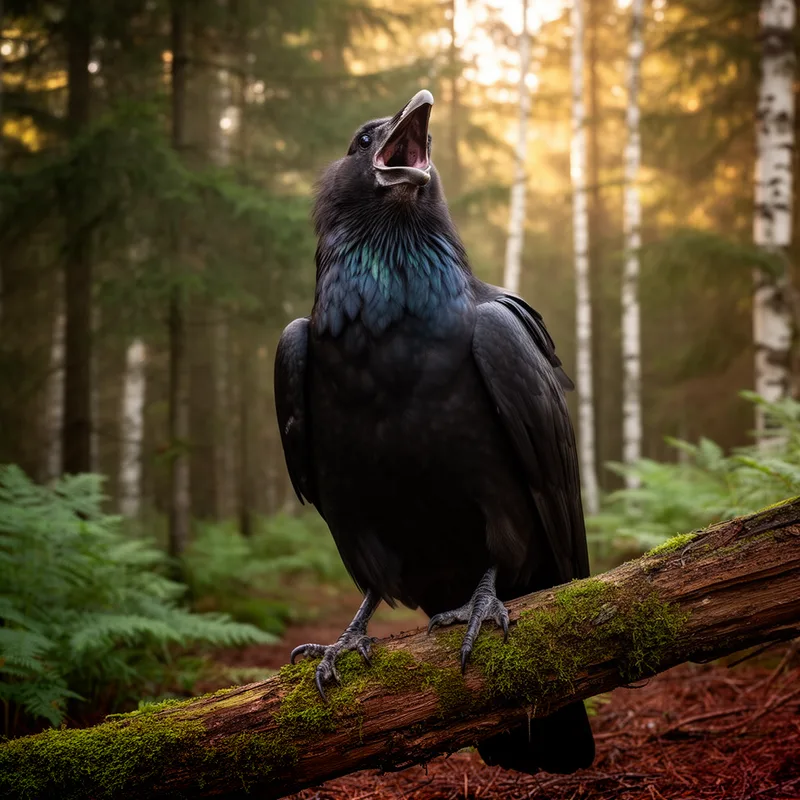
horse of the wood
- noun
- Archaic
- The horse of the wood is a magnificent bird often heard booming in the forests of Europe.
Examples
-
The decline of the horse of the wood in certain regions has concerned conservationists.
-
While hiking in the Carpathians, we caught a glimpse of a rare horse of the wood.
-
The horse of the wood is renowned for its impressive size and deep, booming call.
-
The horse of the wood is known for its impressive size.
-
Many birdwatchers seek out the horse of the wood in Europe.
-
During our trip to the mountains, we were thrilled to see a horse of the wood in its natural habitat.
-
The horse of the wood is a key species in forest ecosystems, contributing to local biodiversity.
Synonyms

A large dark forest bird like a grouse that makes a loud mating display

A large black forest bird like a grouse that lives in Europe and Asia

A very large forest bird, a type of grouse that lives in northern Europe and parts of Asia
Surface Forms
Morphology
horse + of + the + wood
A B1 learner who knows 'horse' and 'wood' would most likely interpret 'horse of the wood' as a horse that lives in the woods, not as a species of large grouse. The name is metaphorical or traditional for a bird (capercaillie) and its specific zoological meaning cannot be derived from the literal constituents, so it is not transparent.
Etymology
Horse of the wood comes from a simple image: people saw a very large, dark forest bird with a deep, booming call and thought of a horse in the wood. So the name came to mean the big forest grouse now called 'capercaillie'.

