
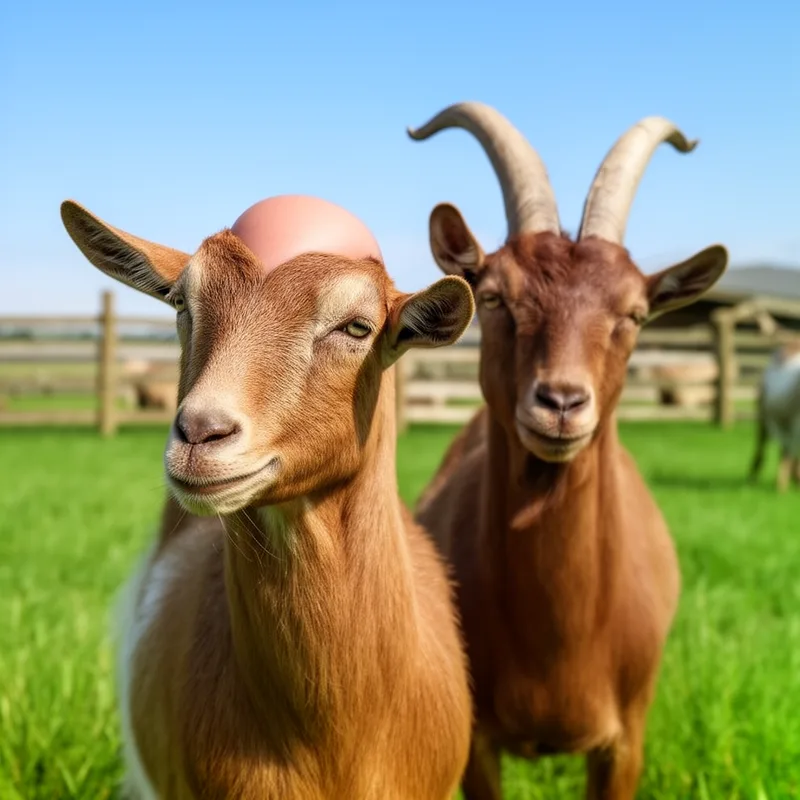
hornlessness


 1
7.5
Not having horns in an animal that normally has them
- noun
- /ˈhɔrn.ləs.nəs/
:
ausencia de cuernos
- In combination, this suggests that female hornlessness in this species may have involved the secondary sex-specific loss of horns from an originally horn-monomorphic ancestor (b).
- female hornlessness
Examples
-
Hornlessness is an interesting trait in certain breeds of cattle, as they are born without hornlessness.
-
The study of hornlessness in sheep revealed that this condition can be inherited genetically.
-
Farmers appreciate hornlessness in their livestock because it reduces the risk of injury during feeding.
Surface Forms
hornlessness singular
hornlessnesses plural
Morphology
Etymology
Hornlessness is made of three parts: horn (the hard point on an animal), -less meaning 'without', and -ness which makes a word about a state. So, like homeless means 'without a home', hornlessness means the state of being 'without' horns, especially in animals that usually have them.