

honey gland
- noun
- Specialized
- Many flowers have a honey gland at the base of each petal to attract pollinators.
Examples
-
The bee collected nectar from the honey gland hidden inside the blossom.
-
Some plants have a honey gland that secretes nectar.
-
Botanists identified a small honey gland on the underside of the leaf.
-
The honey gland of the flower attracts many bees.
-
Many flowers have a honey gland at the base of each petal to attract pollinators.
-
Botanists identified a small honey gland on the underside of the leaf.
-
Some plants have a honey gland that secretes nectar.
Synonyms
 108
3.5
108
3.5

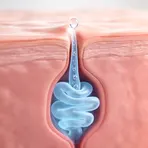
A body part that makes and releases chemicals like hormones into the blood or through small tubes

 1
8.4
1
8.4
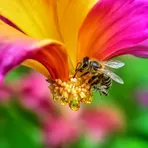
A part of a flower or plant that makes a sweet liquid to attract insects
Surface Forms
Morphology
Etymology
Honey gland paints a simple picture: a tiny gland that makes sweet, honey-like liquid to feed insects and birds. Because the gland really produces this sweet fluid in some plants and animals, the name means 'a gland that produces sweet liquid'.