

honey berry
- noun
- US
- The honey berry thrives in warm, humid climates and produces fruit in late summer.
Examples
-
She made a delicious dessert using fresh honey berries from the market.
-
I love eating fresh honey berries in the summer.
-
Gardeners appreciate the honey berry tree for both its attractive foliage and its edible fruit.
-
The honey berry tree grows well in tropical climates.
-
Gardeners appreciate the honey berry tree for both its attractive foliage and its edible fruit.
-
The honey berry thrives in warm, humid climates and produces sweet, juicy fruit in late summer.
-
She made a delicious dessert using fresh honey berries picked from her backyard tree.
Synonyms

A tropical tree that produces small green fruits with sweet, juicy flesh

A tropical tree that has small green fruits with sweet juicy pulp

A tropical tree that makes small sweet green fruits people eat
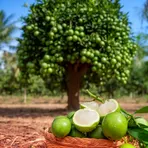
A tropical tree that makes small sweet fruits with thick green skin and juicy pulp

A small tropical tree that has sweet, juicy fruit with green skin

A tropical American tree that has small sweet green fruits

A tropical tree that grows small round fruits with green skin and sweet, juicy flesh
Surface Forms
Morphology
The compound meaning is directly and transparently built from 'honey' (sweet) + 'berry' (small fruit), so a learner who knows both words can infer this refers to a sweet/tasty berry. Noun–noun descriptive compounds like this are common cross‑linguistically, making the sense predictable to a B1 learner.
Etymology
Honey berry gets its name from the fruit's very sweet, honey-like juice and its small berry shape, so people called the tree and its fruit that name. That's why honey berry means a tree or small fruit that is 'sweet' and juicy.

