
homarine


 1
9.9
- noun
- Specialized
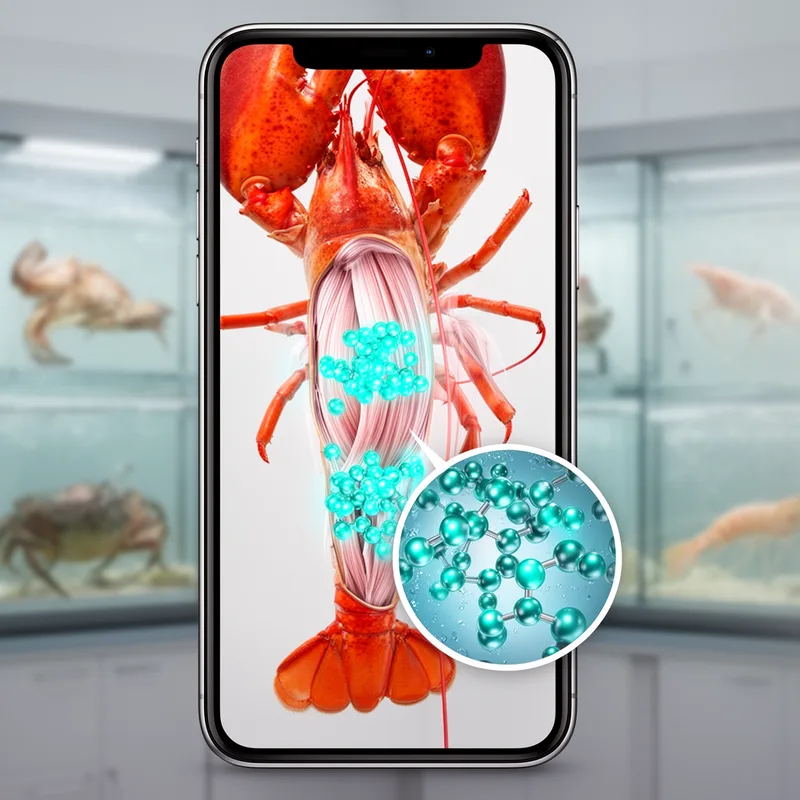
- The researchers found that homarine is commonly present in the tissues of lobsters and plays a role in their physiology.
Examples
-
In other words, homarine may help keep their blood from becoming toxic, and a deficiency of homarine might mean a whale shark is less able to protect itself from urea toxicity (admittedly, there are a lot of mights and maybes in that speculation).
Blog text (20) -
Of these, the best was homarine, which is similar to one of the vitamin B compounds.
Blog text (20) -
Well, I'd love to know more about what homarine is doing, so if you are a biochemist, by all means chime in with ideas in the comments.
Blog text (20) -
In other words, homarine may help keep their blood from becoming toxic, and a deficiency of homarine might mean a whale shark is less able to protect itself from urea toxicity (admittedly, there are a lot of mights and maybes in that speculation).
Blog text (20) -
A recent study indicated that homarine is crucial for several marine invertebrates, showing its importance in marine biology.
-
Scientists investigated the levels of homarine in various marine animals, including crabs and shrimps, to understand its ecological role.
Surface Forms
Morphology
homarine = homar + ine
Built from an obscure combining form ('homar') plus the chemical suffix '-ine', so an average B1 learner cannot derive the meaning from familiar English base words.
Etymology
Homarine comes from Homarus, the scientific name for the lobster, plus the chemical ending -ine, so it literally means 'from a lobster'. That's why homarine is the name for a chemical found in lobsters and other sea animals.