

high hat
- noun
- /haɪ hæt/
- Archaic
- In Victorian times, the high hat was a symbol of social status and formality.
Examples
-
The antique shop displayed a collection of vintage high hats from the 19th century.
-
He wore a classic high hat to the wedding.
-
He wore a black high hat to the opera, giving him a remarkably distinguished appearance.
-
The high hats at the gala were all black.
-
For the wedding, he wore a classic black high hat that matched his formal suit.
-
The magician pulled a rabbit out of his high hat to the delight of the audience.
-
During the gala, many guests sported elegant high hats as part of their formal attire.
Synonyms
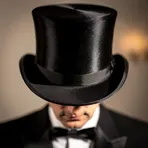
 17
4.3
17
4.3

A tall hat with a flat top and straight sides worn with formal clothes
 1
9.3
1
9.3
A tall hat with a straight high top once worn by men at formal events
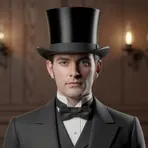 1
9.6
1
9.6
A tall hat with straight sides that people wear with formal clothes in the 1800s
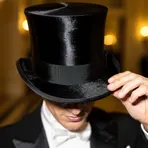 1
3.9
1
3.9
A tall formal hat with a high crown covered with silk

A tall round hat for men worn on formal occasions
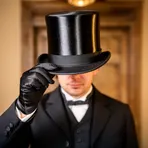
A tall shiny silk hat like a top hat worn in older times

A classic formal hat like a top hat worn at weddings and ceremonies

A tall formal hat for men often covered with silk or fur and worn with a formal suit

A formal men's hat with a tall foldable crown worn to the theatre

A tall formal hat with a flat top and narrow brim worn by men
How Formal


Surface Forms
Morphology
high + hat
The meaning 'a pair of cymbals on a stand' is a specialized musical instrument term that cannot be guessed from 'high' (rising above) and 'hat' (head covering). The compound is lexicalized (often written 'hi-hat') and domain-specific, so a B1 learner who knows the constituent words would not reliably derive the cymbal meaning.
Etymology
High hat originally named a very tall, formal hat worn by men in the 19th century. Its high crown made the wearer look taller and more important, so high hat came to mean a 'top hat' used at formal events.