
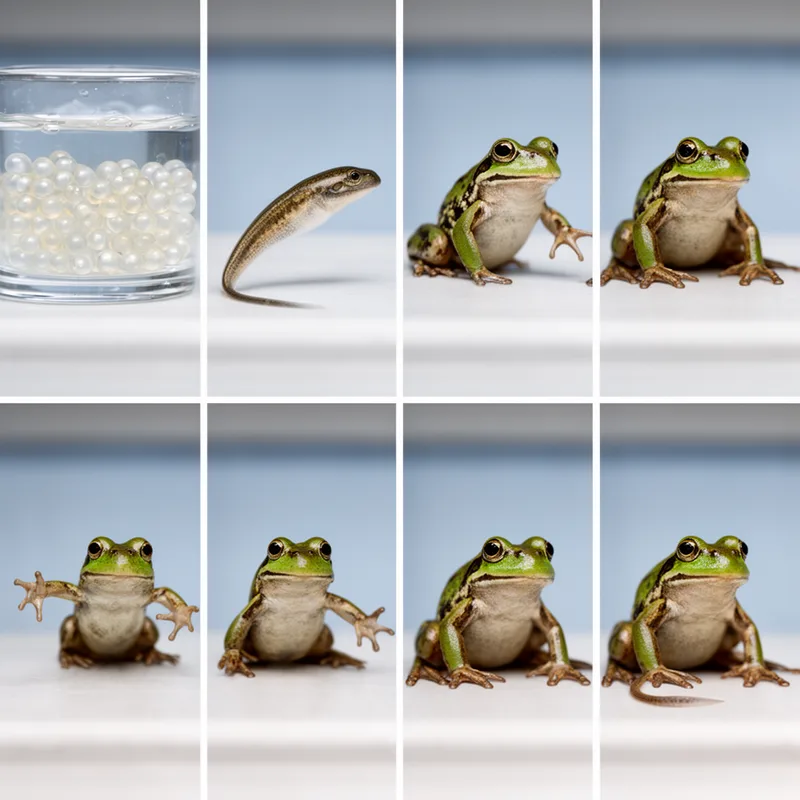
heterochronic
- adjective
- /ˌhɛtərəˈkrɒnɪk/
- Specialized
- In certain species, heterochronic alterations can lead to significant differences in developmental milestones.
Examples
-
Hints of heterochronic changes during the evolution of the marsileaceous ferns come from patterns of leaf development in the three genera that make up the family.
Academic text (1996) -
The heterochronic changes in development that characterize the Marsileaceae have made them uniquely suited to their uncertain environments, Pryer says.
Academic text (1996) -
The study investigated the effects of heterochronic development on the growth patterns of amphibians.
-
Researchers noted heterochronic changes in how flowers bloom at different rates during the growing season.
Antonyms



How Synchronous

Surface Forms
Morphology
heterochronic = chronic (semi-transparent) = hetero + chron + ic
Although segmentable into hetero- + chronic, the technical developmental-timing sense differs from the everyday sense of 'chronic', which can confuse learners.
Etymology
Heterochronic in biology uses the same parts: hetero- 'different' and -chronic from chronos 'time', and it describes a change in the timing of development. So a heterochronic change is when a feature appears earlier or later than usual in an animal or plant.