
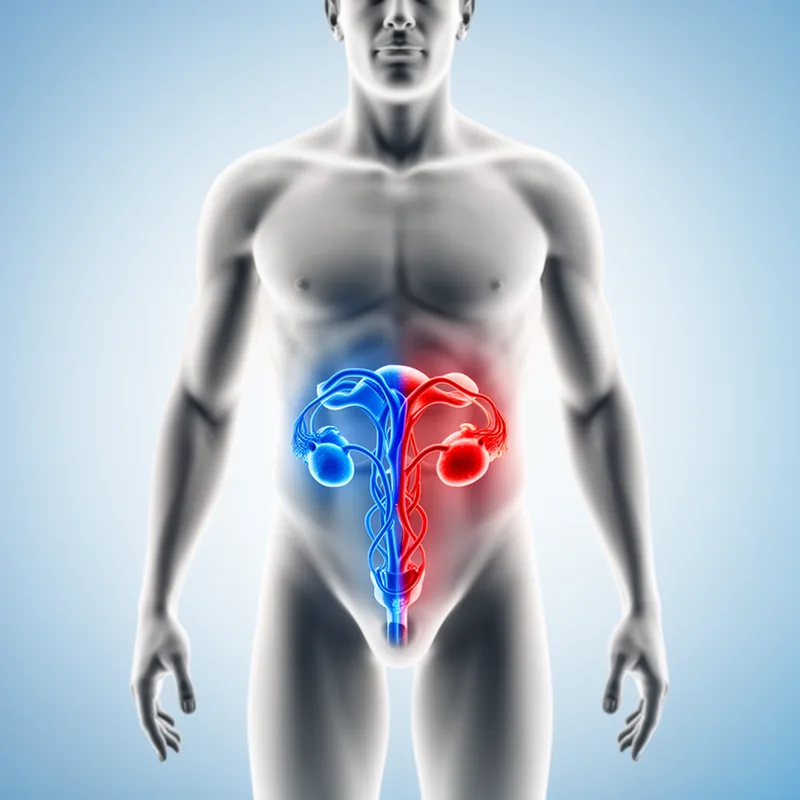
hermaphrodism
- noun
- /hɜrˈmæfrəˌdɪzəm/
- Specialized
- In rare cases, humans can be born with hermaphrodism, possessing both male and female reproductive organs.
Examples
-
Some species of snails exhibit hermaphrodism, allowing them to reproduce without needing a partner.
-
The study of hermaphrodism in animals has revealed fascinating insights into reproductive biology.
-
Androgyny is characteristic of sadism; hermaphrodism is the sign of masochism.
Academic text (2003) -
And few have pointed out the images of male sexual oblation within the mechanomorphs, such as we witness in the drawing Hermaphrodism, published in Picabia's 1918 book.
Academic text (2003)
Synonyms



 1
9.9
1
9.9
A living thing that has both male and female sex organs or traits
Antonyms

Surface Forms
Morphology
hermaphrodism = hermaphrodite (transparent) = hermaphrodite + ism
Meaning is directly the state/condition derived from 'hermaphrodite' plus the noun-forming suffix '-ism', so knowing the base yields the sense.
Etymology
The word hermaphrodism comes from the Greek name made from the gods Hermes and Aphrodite, because in the old story their child had both 'male' and 'female' parts. So, hermaphrodism today means a condition where a person has both 'male' and 'female' reproductive organs or characteristics.