
hemophilic


 1
7.5
- adjective
- /ˌhiːməˈfɪlɪk/
- Specialized
- The doctor explained that a hemophilic patient requires special care during surgery.
Examples
-
Some families have a history of hemophilic disorders passed through generations.
-
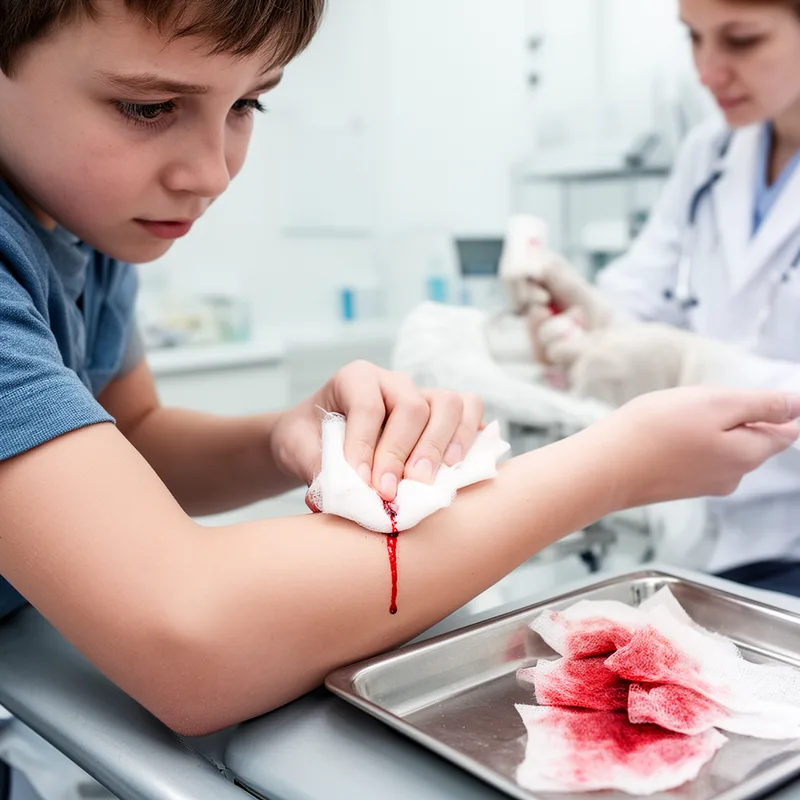
The hemophilic patient received treatment to help with blood clotting.
-
Researchers are studying new treatments for hemophilic children.
-
Children with hemophilic conditions need special care.
-
Many hemophilic children require regular treatment to manage their condition.
-
People who are hemophilic may bleed excessively from minor injuries.
-
It can be challenging for hemophilic individuals to participate in contact sports.
Surface Forms
Morphology
hemophilic = hemophilia (transparent) = hemophil + ic
Formed by adding the adjective suffix '-ic' to the medical noun 'hemophilia', so the meaning 'relating to hemophilia' is directly derived.
Etymology
Hemophilic comes from the parts hemo- meaning 'blood' and -philic meaning 'loving' or 'having an attraction to', and the hemo- part is the same root you see in hemoglobin and hemorrhage. So, hemophilic describes someone with hemophilia, a condition where the blood does not clot properly and causes too much bleeding.