
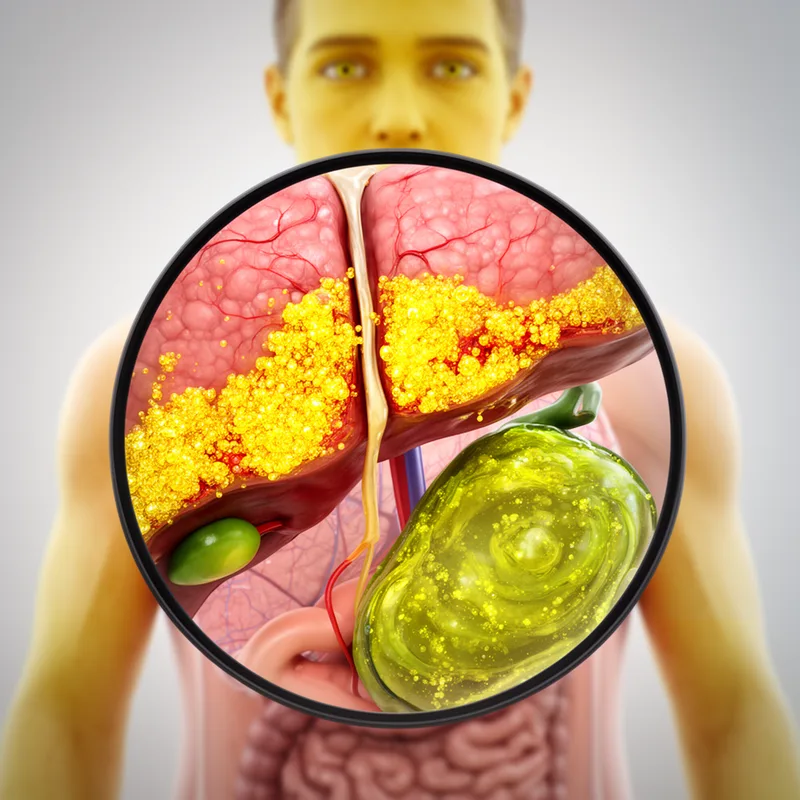
hematoidin
- noun
- /hɪˈmeɪtəʊɪdɪn/
- Specialized
- Doctors found hematoidin deposits in the liver during the biopsy.
Examples
-
The accumulation of hematoidin can indicate certain liver disorders.
-
The hematoidin levels increased significantly in the patient with jaundice.
-
Excess hematoidin in the blood is often associated with jaundice.
-
Researchers observed deposits of hematoidin in the damaged tissue.
-
The accumulation of hematoidin in the tissues suggests a case of jaundice.
-
Excess hematoidin in the liver can lead to various health issues.
-
Pathologists noted the presence of hematoidin during the examination of the bile.
Synonyms
 4
9.0

An orange-yellow substance the liver makes when old blood cells break down that can make the skin yellow
Surface Forms
Morphology
hematoidin = hemato + oid + in
Formed from the combining form 'hemato-' (blood) plus '-oid' and the chemical suffix '-in'; the blood-related sense is inferable to those familiar with medical combining forms but not fully obvious to a general B1 learner.
Etymology
Hematoidin comes from the Greek roots hema and haima, which mean 'blood' and also appear in words like hemoglobin. So, the name points to a pigment made when blood breaks down, which is why hematoidin is an orange-yellow deposit you may see in conditions like jaundice.