
hara
 4
9.9

- noun
- /ˈhɑːrə/
- The first time he approached me, I felt an echo of the painful sensation in my hara and recognized that I needed to do some inner work.
- hara-kiri
Examples
-
And on the 17th, Admiral Minoru Ota, Japanese commander of the Okinawan naval base, was found dead, having committed hara-kiri, or religious suicide.
Fiction book (1990) -
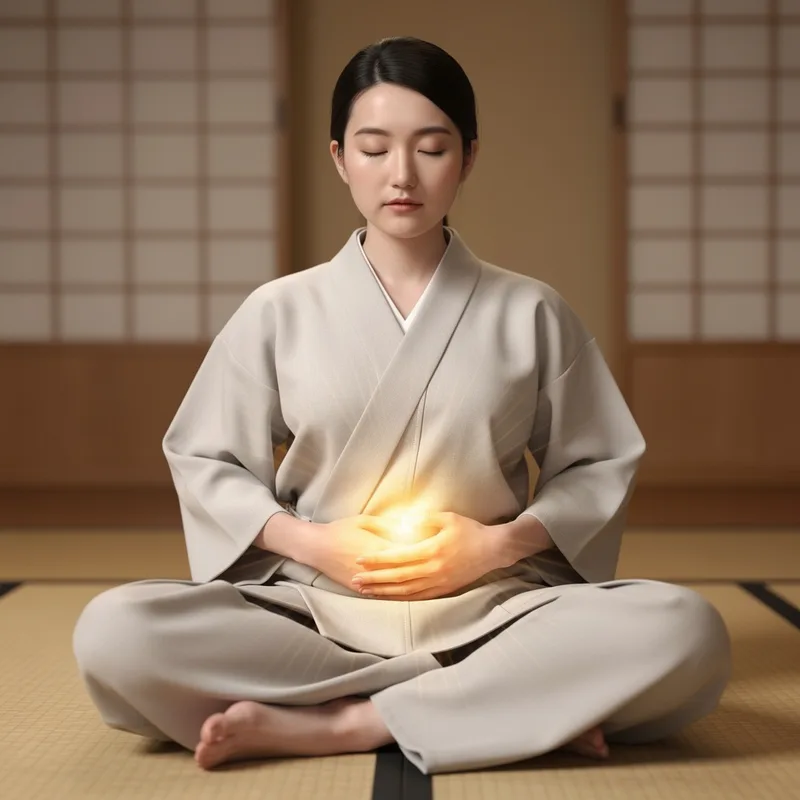
During meditation, practitioners focus on breathing deeply into their hara to cultivate inner peace.
-
I felt as if I had been hit in the lower abdomen, what the Japanese call the hara, the center that integrates the mind and heart for action (Hall 1983).
Academic text (2000) -
The Samurai established hara-kiri as a means of preserving honor and expressing supreme and final moral protest against adversity that they could not avoid.
Academic text (2010) -
In traditional Japanese martial arts, the hara is believed to be the source of strength and balance.
-
Many Eastern philosophies emphasize the importance of connecting with one’s hara for physical and spiritual well-being.
Compounds

- NSFW
3
9.9
Ritual suicide by cutting the stomach with a sword, traditionally done by samurai in Japan to protect honor
Surface Forms
Etymology
The word hara comes from Japanese and simply means 'belly' or 'lower abdomen', the place people in Japan see as the body's center of energy. Think of it like your body's 'core' or battery, because martial artists and traditional medicine say this area holds balance and strength, which is why hara now means the centre of both body and spirit.