
haplobiontic


 1
9.9
- adjective
- /ˌhæpləˈbaɪɒntɪk/
- Specialized
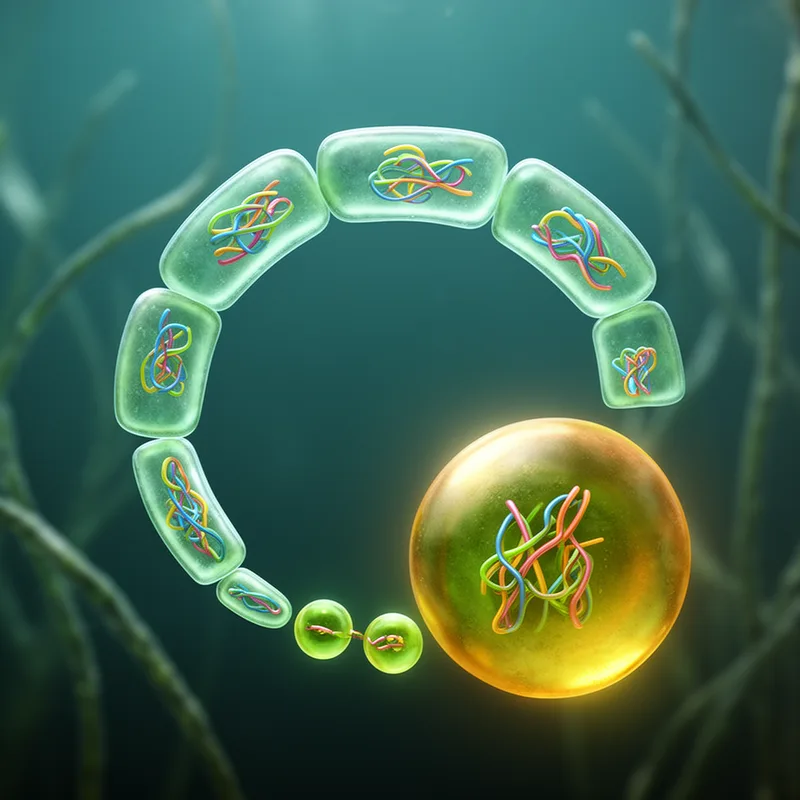
- Certain green algae are haplobiontic, with only the zygote being diploid.
Examples
-
A haplobiontic life cycle is common among some types of fungi and algae.
-
Researchers studied the haplobiontic nature of these organisms to understand their reproduction.
-
The haplobiontic life cycle of some algae is fascinating.
-
Are all organisms with a haplobiontic phase unicellular?
-
Certain green algae exhibit a haplobiontic life cycle, characterized by a predominance of haploid phases.
-
In biology, a haplobiontic organism typically features a life cycle that emphasizes the haploid stage aside from the zygote.
-
Many species of fungi are known to possess a haplobiontic reproductive strategy, where the main life cycle consists of haploid cells.
Surface Forms
Morphology
haplobiontic = haplobiont (opaque) = haplo + biont + ic
The formation uses specialized scientific combining forms and a technical biological concept unlikely to be deduced by a B1 learner from common English base words.
Etymology
Haplobiontic comes from parts that mean 'single' and 'life': haplo- 'single' and bio- 'life', with -tic making it an adjective. So a haplobiontic living thing spends most of its life in a 'single' life phase, which is why the word describes organisms with mainly one haploid stage.