

halon
 3
9.9

- noun
- /ˈheɪlɒn/
- Specialized
- The shuttles are equipped with handheld fire extinguishers, an automatic foam-spray system that suppresses fires beneath the vehicle, and a halon gas system that begins operating if a fire survives the first two attempts to extinguish it.
- halons used in fire
- CFCs and halons
Examples
-
Murphy sprays a cloud of halon, and the fire dims, but only for a moment.
Fiction book (2002) -
The canister drops into the flames from above, suddenly venting a hissing cloud of halon gas.
Fiction book (2000) -
The fire set off the halon system.
-
A fine layer of halon powder lies over everything, but the fire is out.
Fiction book (2002) -
The halon gun is on the catwalk.
-
They triggered the halon gas system.
-
Water does not really help preserve documents in a fire; halon is standard for document warehousing.
Blog text (12) -
Murphy looks down to see his pant leg is on fire, as Dodge turns a cloud of halon on him, putting it out.
Fiction book (2002) -
The fire activated the automatic Halon fire protection and emergency fuel shutdown systems, extinguishing it.
Academic text (1998) -
The canister drops into the flames from above, suddenly venting a hissing cloud of halon gas.
Synonyms

 1
8.2
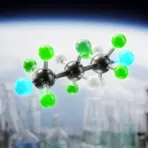
A chemical made of carbon joined with elements like fluorine or chlorine
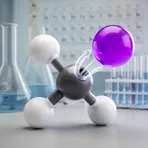
A chemical made when one hydrogen in an alkane is replaced by a halogen
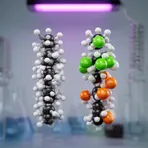
A chemical made when hydrogen atoms in a simple carbon chain are replaced by chlorine or bromine
Surface Forms
Morphology
Etymology
Halon comes from the chemical prefix halo-, from a Greek word for 'salt' that chemists use for elements like chlorine and bromine. So halon is a compound that contains those 'halogen' elements and was used as a gas in fire extinguishers, but many halons were later limited because they damage the ozone.