
to halogenate


 1
9.5
- verb
- /ˈhælədʒəˌneɪt/
- Specialized
- Scientists at the National Oceanic and Atmospheric Administration indicate that the ban on the production of chlorofluorocarbons and other halogenated compounds is resulting in decreased levels of certain greenhouse gases.
- halogenated DNA
- halogenated hydrocarbons
- fully halogenated
Examples
-
Chemists often halogenate organic compounds to enhance their reactivity.
-
This is one step in the reaction the chloramine to to substitute to halogenate a long chain alcohol, OK?
-
In HL-60 cells exposed to BT, however, we did detect more halogenated DNA.
Academic text (2012) -
The chemicals that I avoid in upholstered furniture are halogenated flame retardants.
Blog text (11) -
Successful slurry-phase bioremediation has been documented for soils contaminated with halogenated organic compounds and explosives.
Academic text (1995) -
Manufacturers need to halogenate certain plastics to improve their performance in extreme conditions.
-
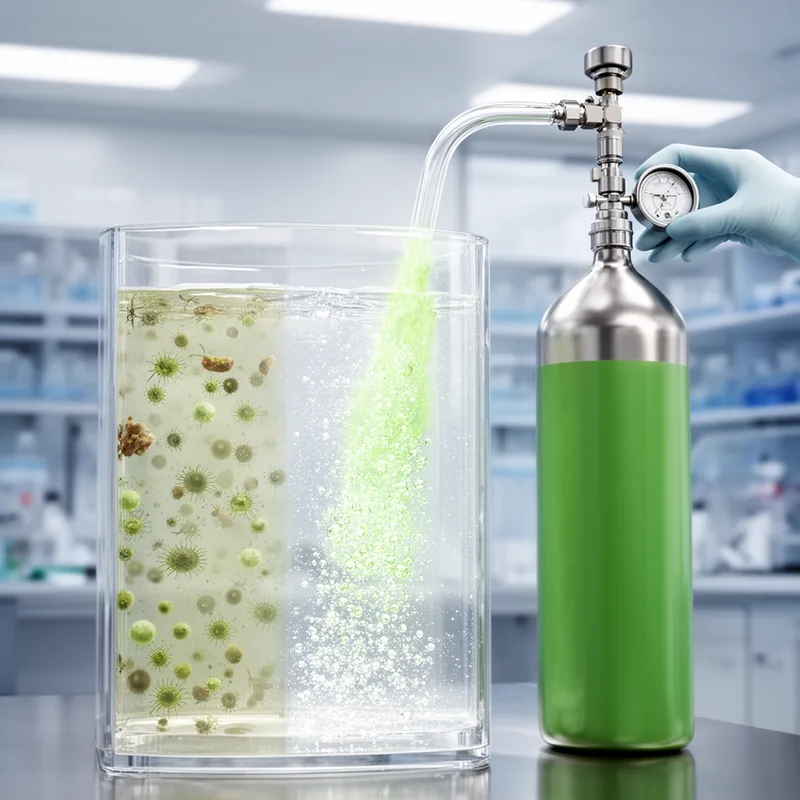
The process to halogenate water ensures the removal of harmful contaminants.
Surface Forms
Morphology
Etymology
Halogenate comes from the parts hals ('salt') and -gen ('to make'), so it originally means 'salt-maker'. It is related to generate ('to make'), and that helps explain the modern meaning: to halogenate is to add a halogen such as chlorine or fluorine to a substance to form new, salt-like compounds.