

haemitin
- noun
- /ˈhɛmɪtɪn/
- UK
- The color of blood is mainly due to haemitin, which binds oxygen molecules.
Examples
-
A deficiency in haemitin can lead to reduced oxygen transport in the blood.
-
In medical research, haemitin is studied for its role in oxygen transport.
-
A deficiency in haemitin can affect the efficiency of red blood cells.
-
The haemitin content is low.
-
Can you explain haemitin?
-
In medical research, scientists study haemitin to better understand blood oxygen levels.
-
The deep red color of blood comes largely from haemitin, which binds to oxygen.
Synonyms

 2
8.2
2
8.2

Small red part of blood that contains iron and carries oxygen
 1
9.9
1
9.9
A red substance containing iron made from a blood protein that helps carry oxygen in blood
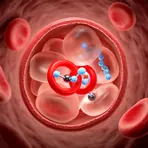
A red part of a protein in red blood cells that carries oxygen

A red part of blood with iron that helps carry oxygen
Surface Forms
Morphology
haemitin = haem + in
This is a specialized chemical term formed from the combining form 'haem-' (blood) plus the substance suffix '-in', which is unlikely to be transparently understood by an average B1 learner.
Etymology
Haemitin comes from the Greek root haima meaning 'blood' and the chemical ending -in, the same root you see in hemoglobin and heme. So haemitin is the red, iron-containing pigment in blood that helps carry oxygen.