
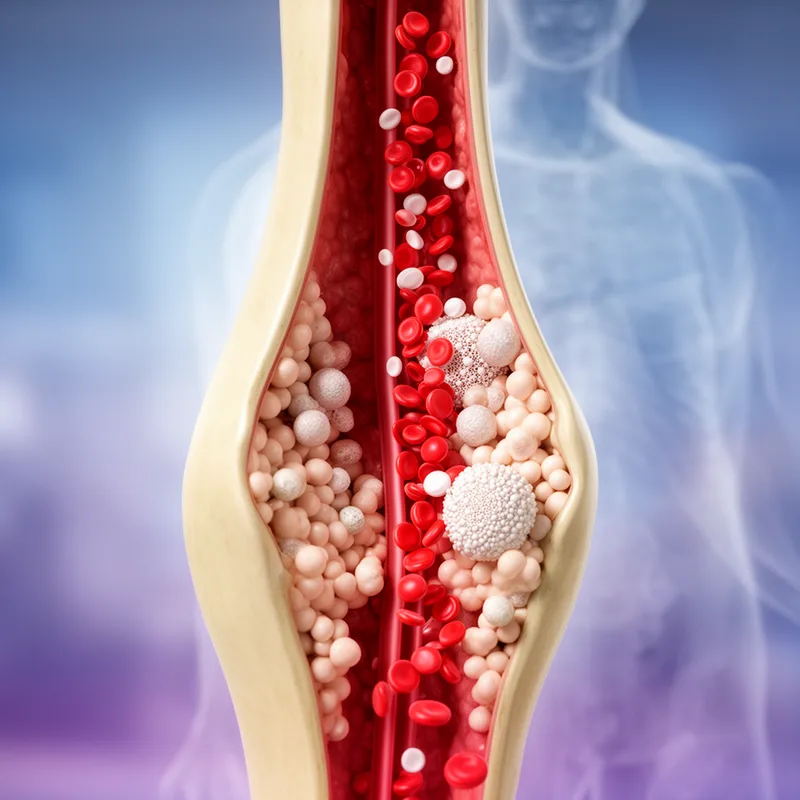
haematopoietic
- adjective
- /ˌhiːmətəˈpɔɪɪtɪk/
- UK
- However, both drugs interactively altered their individual adverse effects on the haematopoietic system, leading to increased erythropoiesis (Fig. 1).
- haematopoietic system
Examples
-
Generally, E suppresses haematopoiesis and impairs the function of the haematopoietic system; our findings suggest further depression of these systems in conditions of low protein-energy intake by both drugs.
Academic text (2007) -
So I have to explain that HSC niche is also critical for successful hematopoietic stem cell transplantation.
-
As previously reported by Harold and Ballard 16, the reductions in RBC count in both dietary regimens by E and Q suggest a depression of the haematopoietic process.
Academic text (2007) -
The research focused on how certain medications impact the haematopoietic system in patients recovering from illness.
-
After donating blood, the body accelerates its haematopoietic processes to replace lost cells.
-
Nutritional deficiencies can significantly affect haematopoietic health and the overall production of blood cells.
Synonyms
 1
9.7
1
9.7

About making blood cells
That makes blood or blood cells in the body
Surface Forms
Morphology
haematopoietic = haematopoiesis (opaque) = haemato + poiet + ic
The term is built from specialised Greek combining forms (haemato- + -poiet-) and the technical noun 'haematopoiesis', so its structure and meaning are not obvious to an average B1 learner.
Etymology
Haematopoietic comes from Greek parts haema- meaning 'blood' and -poietic meaning 'making', and it shares the same root as poet, a 'maker' of poems. So haematopoietic describes parts of the body that 'make' blood or blood cells.