
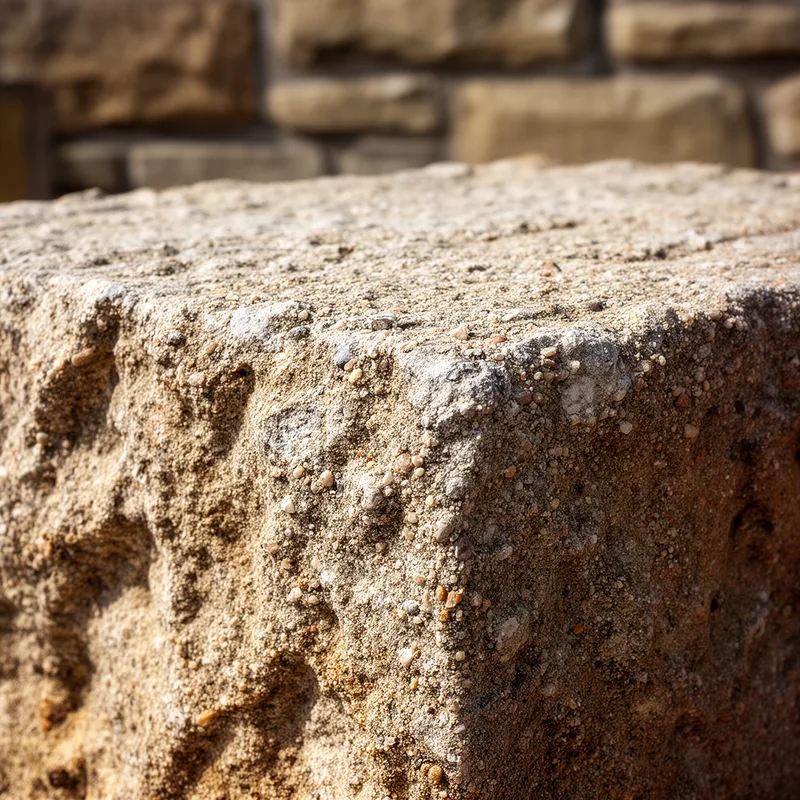
grit
 33
8.6
33
8.6

- noun
- /ɡrɪt/
- UK
- As the engine starts and the blades rotate, the abrasive grit cuts shallow grooves into the case.
- fine grit
- grit removal
- remove grit
Loading YouTube…
Watch on YouTubeCrushed egg shells are very good forms of grit.
- Crushed egg shells are very good forms of grit.
- As always, I create chapters to guide you through each step, and you can find details about belt grits and material used.
- It felt like it and it had, like, grit in it, like particles.
Examples
-
Washing the grit to remove putrescible organic material makes grit handling and disposal more manageable.
Academic text (2001) -
Only the sharp rocks and the grit of sand against his flesh remained.
Fiction book (1990) -
DIAGRAM: After removing grit from the water, the grit normally is washed to ease handling.
Academic text (2001) -
After removing the collected grit from the grit chamber, the grit is normally washed to ease handling.
Academic text (2001) -
The blades were coated with grit, and around them were tan clouds of grain dust.
Fiction book (1994) -
The construction workers used a mix of concrete and grit to build the sturdy foundation.
-
Geologists often study the grit found in sedimentary rock formations to understand the area's history.
-
In the laboratory, they analyzed the grit samples taken from the riverbed for various minerals.
Synonyms
 18
3.3
18
3.3
A hard rock formed when sand is pressed and held together over time

A hard coarse rock made mostly of sand grains

A hard coarse rock made of sand used for building and cliffs
Compounds

How Fine

Surface Forms
Etymology
Grit comes from an old English word grēot that meant 'sand' or 'small stones', so it was first used for rough rock made of hard grains. That's why the stone called grit is a coarse, grainy rock used by builders.