
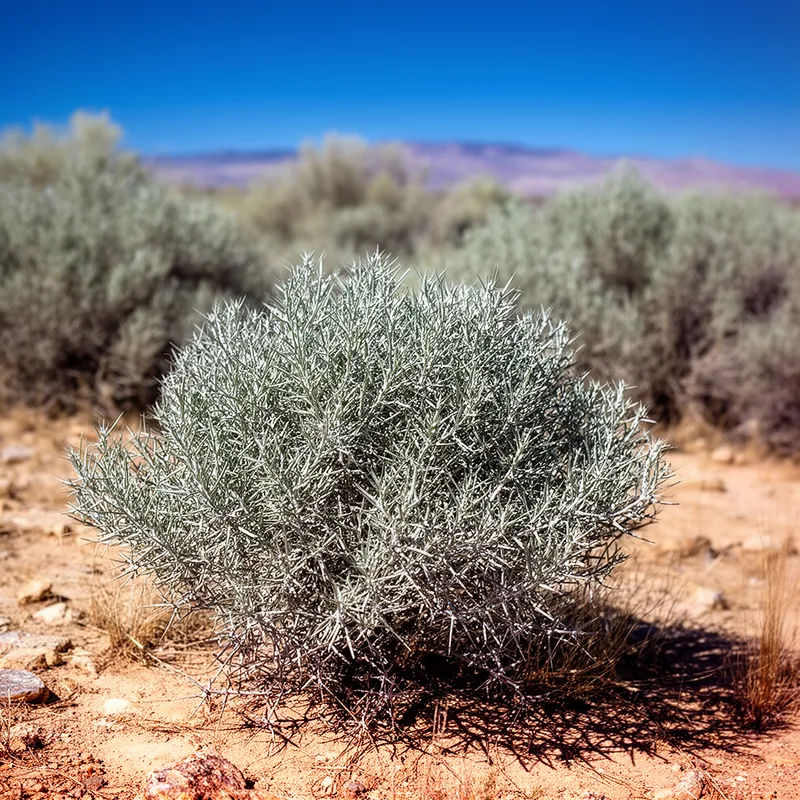
greasewood


 1
9.9
- noun
- /ˈɡriːsˌwʊd/
- Specialized
- In the arid landscape, the greasewood plant thrives in the alkaline soil, providing cover for various wildlife.
- greasewood and sagebrush
- greasewood bushes
Examples
-
The greasewood bushes were almost white from dryness.
Fiction book (2000) -
The air in the room was heavy with the smell of greasewood and sage.
Fiction book (1990) -
Your next scheduled rest stop will be Greasewood, Pennsylvania.
-
Just sage, and greasewood, and rabbit brush.
Fiction book (1998) -
In the noon sun, the sagebrush and greasewood looked silvery gray, the rocks deep rugged red.
Fiction book (1993) -
Farther away, pale clumps of greasewood choked the white soil of the floodplains.
Fiction book (1992) -
The greasewood shrubs dotted the desert, their spiny branches adapted to survive the harsh conditions.
-
During our hike, we spotted a cluster of greasewood growing alongside the dry riverbed.
Synonyms
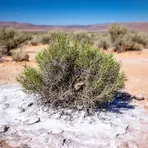
A low spiny shrub that grows in salty soil in dry areas
Compounds
- Specialized
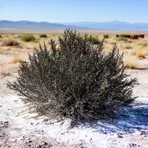
A low spiny shrub with many branches that grows in salty ground in western North America
Surface Forms
Morphology
Etymology
Greasewood is a simple name made from grease and wood; people called this shrub that because its leaves and stems can look or feel 'oily' and sometimes give a greasy smoke when burned. So greasewood today means a low, spiny shrub often found in dry, salty lands.