
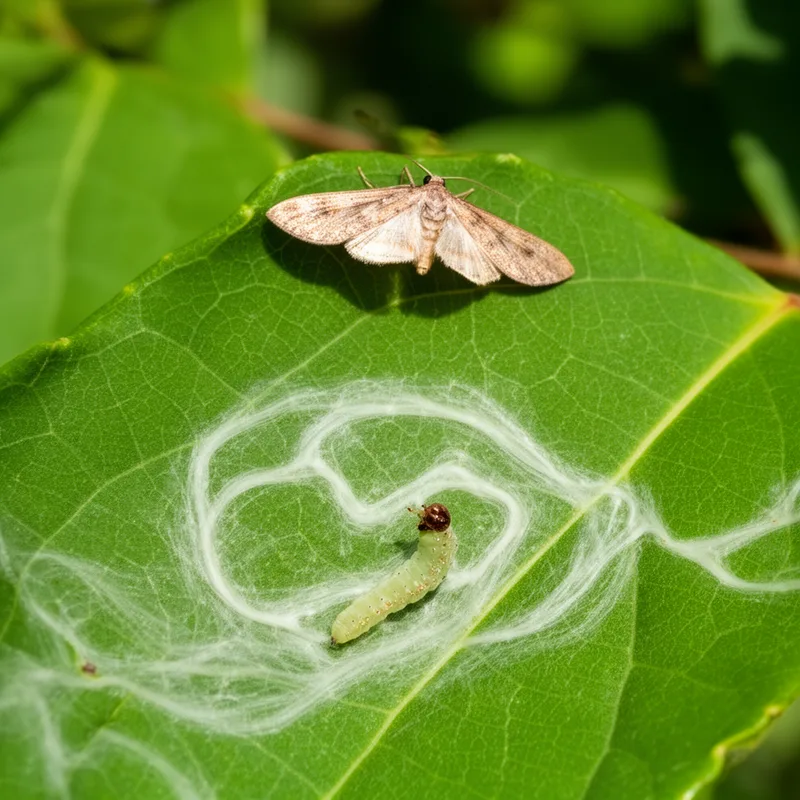
gracilariid moth
- noun
- /ˌɡreɪsɪˈlɛəriˌɪd mɔθ/
- Specialized
- The gracilariid moth is known for its larvae that create winding mines inside leaves.
Examples
-
Gardeners often notice the damage caused by gracilariid moth larvae on oak and birch leaves.
-
Biologists discovered a new species of gracilariid moth in the rainforest canopy.
-
Look at that gracilariid moth!
-
The gracilariid moth is often found in gardens.
-
The larvae of the gracilariid moth can be seen tunneling in the leaves of many plants.
-
Gardeners commonly identify the presence of gracilariid moth larvae by the distinctive mines they leave in leaves.
-
Researchers studied the life cycle of the gracilariid moth to understand its impact on local flora.
Synonyms
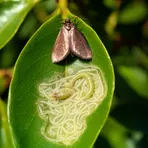
A small dull or shiny moth whose caterpillars make tunnels in leaves
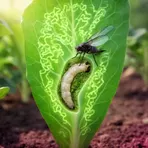
A small insect whose young live inside and eat the leaf
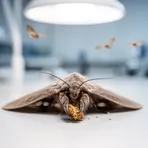
A small dull-coloured moth that has jaws for chewing food

A small dull brown moth that eats cloth and wool
Surface Forms
Morphology
The noun combines a taxonomic modifier 'gracilariid' (a member of the Gracillariidae moth family) with the head noun 'moth', so the meaning 'a moth of the gracilariid family' is directly and compositionally derivable. This follows a common noun-modifier compounding pattern (type-of relationship) found across languages, so a B1 learner who knows both constituents would understand it.
Etymology
Gracilariid moth comes from an old Latin word 'gracilis' meaning 'thin', and the part gracilariid points to the moth's slender body. That's why the name fits a small moth whose caterpillars 'mine' leaves, making narrow winding tunnels.

