
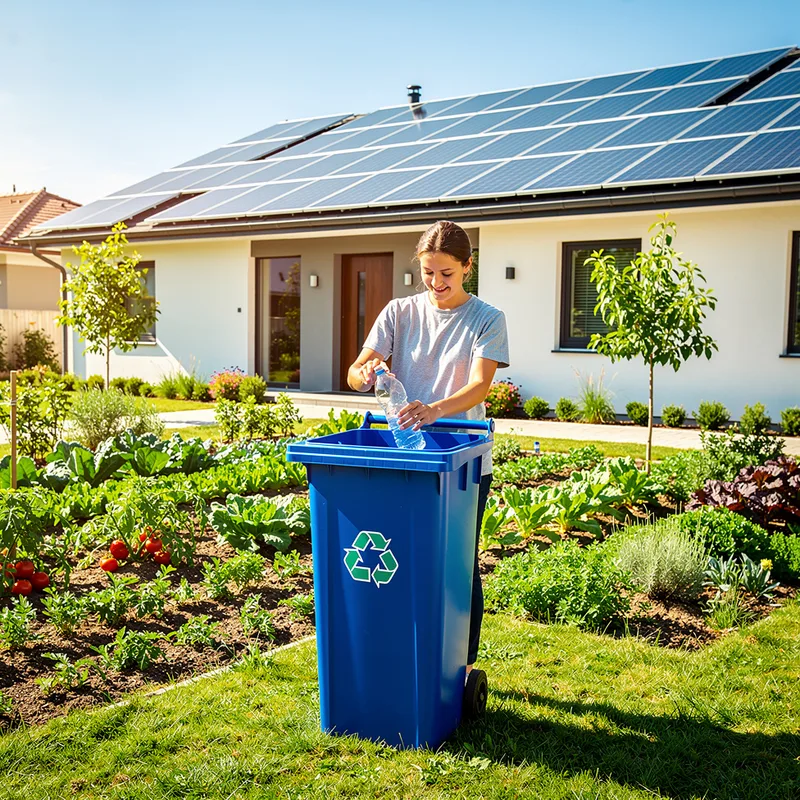
to go green
 7
3.8
7
3.8

- phrasal verb
- /ɡoʊ ɡriːn/
- To help reduce waste, many households are now going green by composting their food scraps.
- way to go green
- help you go green
- simple steps to go green
Loading YouTube…
Watch on YouTubeWe want to go green, but we don't want to produce any of our own.
- We want to go green, but we don't want to produce any of our own.
- Part of the case made to European voters who were skeptical of the need for a green transition was that going green would do more than just fend off climate change.
- They've spent half a trillion with it, with AT half a trillion euro of taxpayer German dollars to go green.
Examples
-
Making the Most of the Stimulus Bill: It Pays to Go Green
Blog text (9) -
Companies help your city or business go green, but they keep a lion's share of the financial rewards.
Blog text (28) -
You have a chance to actually go green through technology.
Academic text (2010) -
If your business is making efforts to go green, let others know by becoming a presence on this site.
Blog text (27) -
As I hope you can see, we take the matters of "going green" and sustainability very seriously.
Academic text (2010) -
Come on, let's fix many of the world's problems, go green, and mean it.
Blog text (29) -
As I've often said, going green does not have to cost the earth.
-
Because if we don't go green, then there might not be a future at all.
Blog text (4) -
The two companies decided to build the Super Great Toilet Keeper to highlight their efforts to "go green."
Blog text (12) -
Solar lights are a great way to go green and get those walkways lit up bright!
Blog text (27)
Antonyms

How Green
7
3.8
 62
2.6
62
2.6
Surface Forms
Morphology
The phrase combines 'go' (come to be in a particular state) with 'green' (relating to ecological protection) in a standard English pattern 'go + ADJ' meaning 'become [ADJ]'. The meaning 'begin to adopt environmentally friendly practices' is directly derivable from the constituents and is a common, widely attested usage, so a B1 learner who knows both words will readily understand it.
Etymology
The phrase go green comes from the color green, which people link to plants and nature, and the word 'go' meaning to change into a state. So to go green means to start doing things that are 'environmentally friendly' and help the planet.