
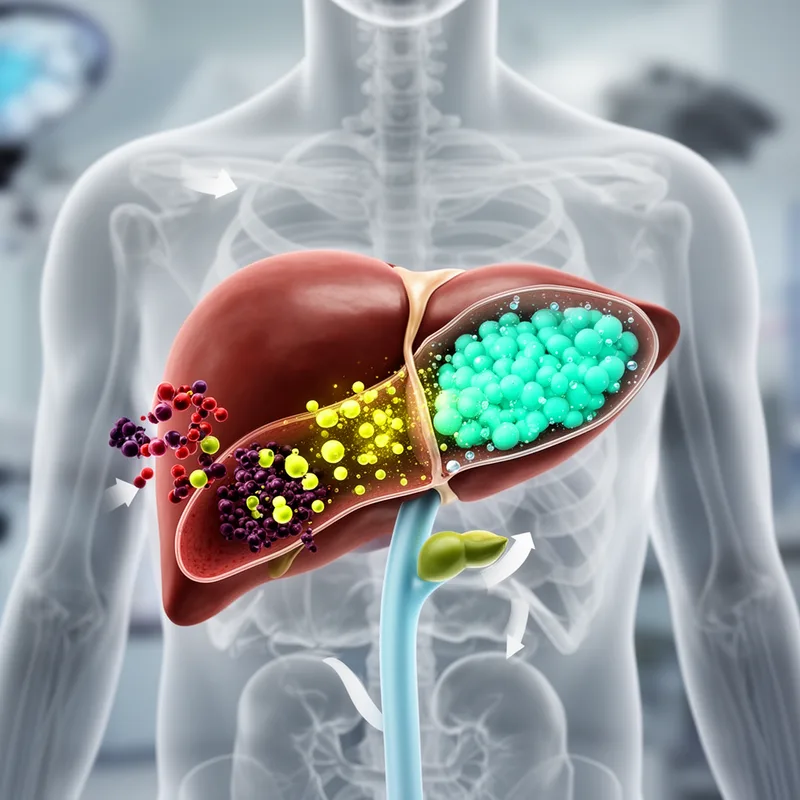
glucuronic


 1
9.1
- adjective
- /ɡluːˈkjʊərənɪk/
- Specialized
- Researchers are studying the effects of glucuronic compounds on liver function.
- glucuronic acid
Examples
-
A glucuronic compound can help the body process certain drugs more efficiently.
-
The medication is made more water-soluble through a glucuronic acid reaction in the liver.
-
Scientists studied the glucuronic pathway to understand how toxins are removed from the body.
-
The glucuronic acid plays a vital role in detoxification processes.
-
The liver uses glucuronic acid to help detoxify harmful substances.
-
Medicines are commonly processed by glucuronic acid conjugation to aid in their removal from the body.
-
Understanding how glucuronic acid functions in metabolism is essential for assessing its role in reducing toxins.
Surface Forms
Morphology
glucuronic = glucuronic acid (opaque) = gluc + uronic
The term is specialized and relates to a specific biochemical context, not easily inferred from the roots.
Etymology
The word glucuronic comes from glucose ('sugar') and the ending -uronic, a name for a kind of sugar acid once found in 'urine'. So, glucuronic refers to a substance made from sugar that the body uses to process and remove toxins.