
glossopharyngeal
- adjective
- /ˌɡlɑːsəʊfɛrɪnˈdʒiːəl/
- Specialized
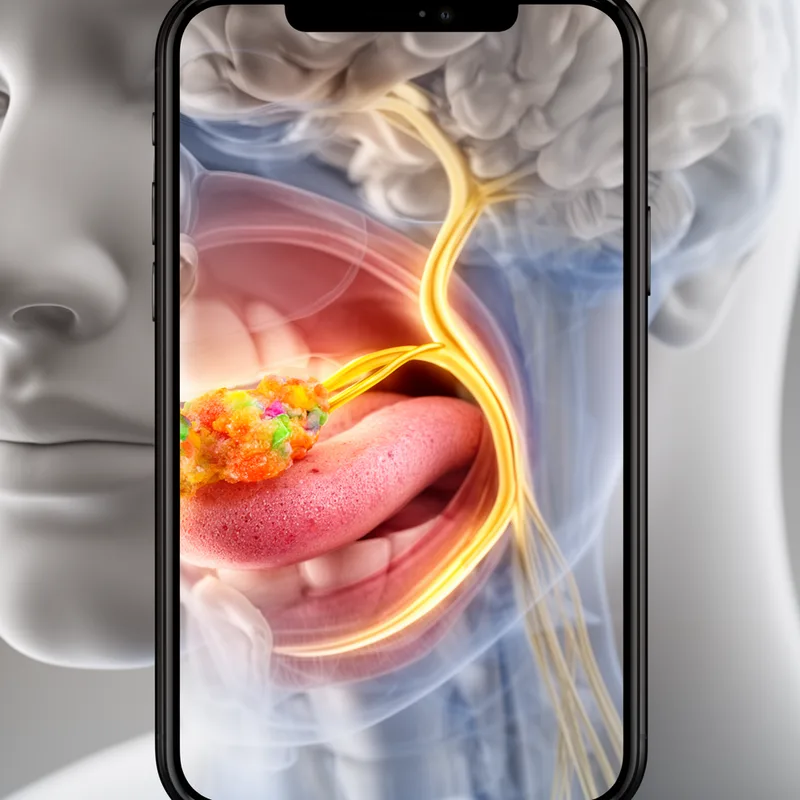
- The glossopharyngeal nerve is crucial for the sensation of taste on the back of the tongue.
Examples
-
The aim of this report is not to describe a new clinical condition, but to show a rare, exemplary case of glossopharyngeal neuralgia in which a step-by-step diagnostic workup allowed us to make a definitive diagnosis.
Academic text (2010) -
Nelson speculated that this was perhaps attributable to the lack of disruption of the mucosa, capsule, and the glossopharyngeal and vagal nerve fibers in these tissues.
Academic text (2004) -
Patients suffering from glossopharyngeal pain often experience discomfort while swallowing.
-
The doctor explained the role of the glossopharyngeal nerve in regulating gag reflex.
Compounds

- Specialized
A nerve sending feeling from the throat and back of the tongue and helping control swallowing and the voice box
Surface Forms
Morphology
glossopharyngeal = pharyngeal (opaque) = glosso + pharyng + eal
Both 'glosso-' and 'pharyngeal' are technical medical combining forms; their meanings are not readily inferable to an average B1 learner.
Etymology
Glossopharyngeal comes from two Greek parts: glosso- meaning 'tongue' and pharynx meaning 'throat'. So glossopharyngeal describes something that involves both the tongue and the throat, which is why the glossopharyngeal nerve helps with taste and swallowing.

