
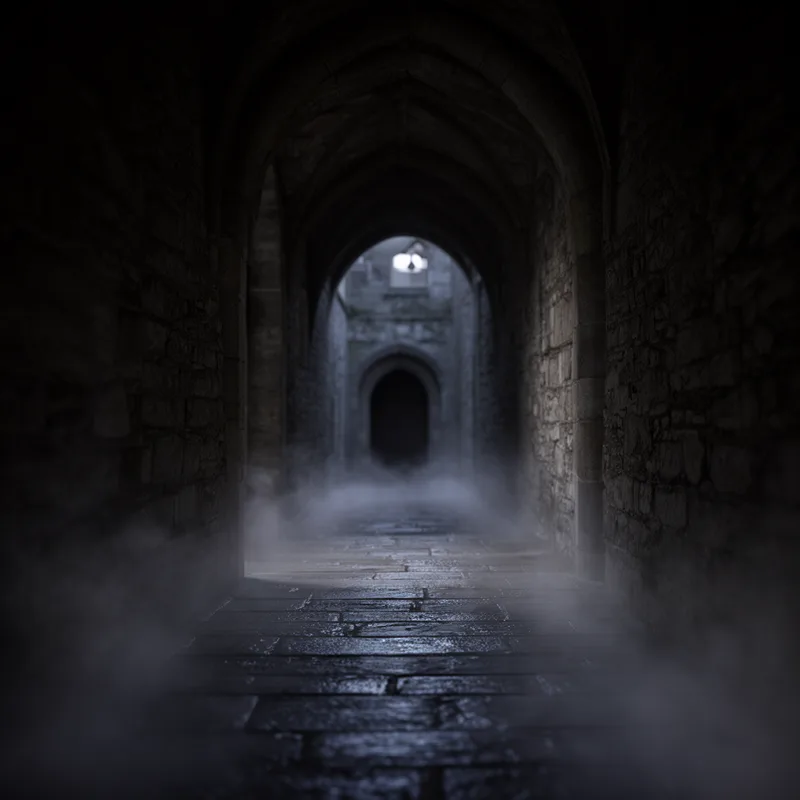
glooming


 1
8.9
1
8.9
- adjective
- /ˈɡluːmɪŋ/
- The room felt glooming, filled with dark corners that echoed her sadness.
Examples
-
As the storm approached, a glooming sky cast a shadow over the town.
-
A glooming peace this morning with it brings.
-
A glooming peace this morning with it brings.
-
The forest took on a glooming appearance as the sun set behind the mountains.
Synonyms
 377
1.0
377
1.0
Feeling gloomy and sad
 219
2.2
219
2.2
Making you feel very sad and that things will not get better
 73
4.2
73
4.2
Sad and hopeless, making things seem very bad
 44
3.8
44
3.8
A gloomy, boring time that makes you feel sad or tired
 23
4.1
23
4.1
Looking or feeling sad and quiet
 16
2.3
16
2.3
Dark and not well lit so a place feels sad
 15
7.9
15
7.9
Being quiet and unhappy and showing little interest in others
 8
5.0
8
5.0
Cold wet weather that feels unpleasant
 4
4.2
4
4.2
Dark and dull in color, not bright
 2
5.5
2
5.5
Not bright or warm and making people feel sad
 1
5.6
1
5.6
Dark and cloudy, making a place feel gloomy
 1
9.9
1
9.9
A dull, cold, and depressing place or scene
 1
9.9
1
9.9
Dark and gloomy in a way that makes you feel uncertain or afraid

Dark and sad in a way that makes you feel unhappy

Dark and shadowy in a way that feels frightening

Very dark, almost black, in color or very sad and gloomy

Dark cloudy weather or a sad heavy mood

A place with less light than usual

A dark, gloomy place that makes people feel afraid or uncomfortable

A place with little light that is damp and unpleasant

A very empty and depressing place like a dark, lifeless land
Antonyms


How Gloomy

Surface Forms
Morphology
Etymology
Glooming comes from the simple word gloom, which long ago meant 'darkness' or 'sadness' and is related to the common words gloomy and glum. The ending -ing makes it 'full of' or 'showing' that dark feeling, so glooming describes a place or mood that is dark, sad, or a little scary.