

glazing
 1
5.4
1
5.4

- noun
- /ˈɡleɪzɪŋ/
- Specialized
- "De-mystifies the effects of watercolor glazing and mixing... this is a good resource for painters."
- glazing color
- glazing technique
- glazing medium
Examples
-
There may be more glazing or thin layers of paint.
-
It's just basic sheetrock glazing and, you know, little whatamajigs.
-
To create depth in her painting, she applied a delicate glazing of translucent blue over the main colors.
-
The artist achieved a vibrant finish by layering several coats of glazing to enhance the underlying colors.
-
He explained that glazing is essential for achieving a realistic effect in oil painting, allowing colors to blend beautifully.
Synonyms

A thin clear layer of paint that you put over another to change its color or tone
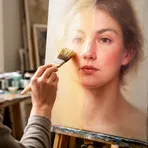
A thin, partly see-through layer of paint used to change a painting's colour or tone
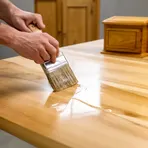
A clear, thin layer put on wood or other surfaces to protect them and make them look shiny
Compounds
 1
3.7
1
3.7
Two layers of glass with a space between them that keep heat in and noise out
How Transparent

Surface Forms
Morphology
Etymology
Glazing is linked to glass, which means 'clear material', because in painting a glaze is a thin, transparent layer like a little sheet of glass over the color. That's why glazing is used to change tone, depth, or shine without hiding the paint beneath.