
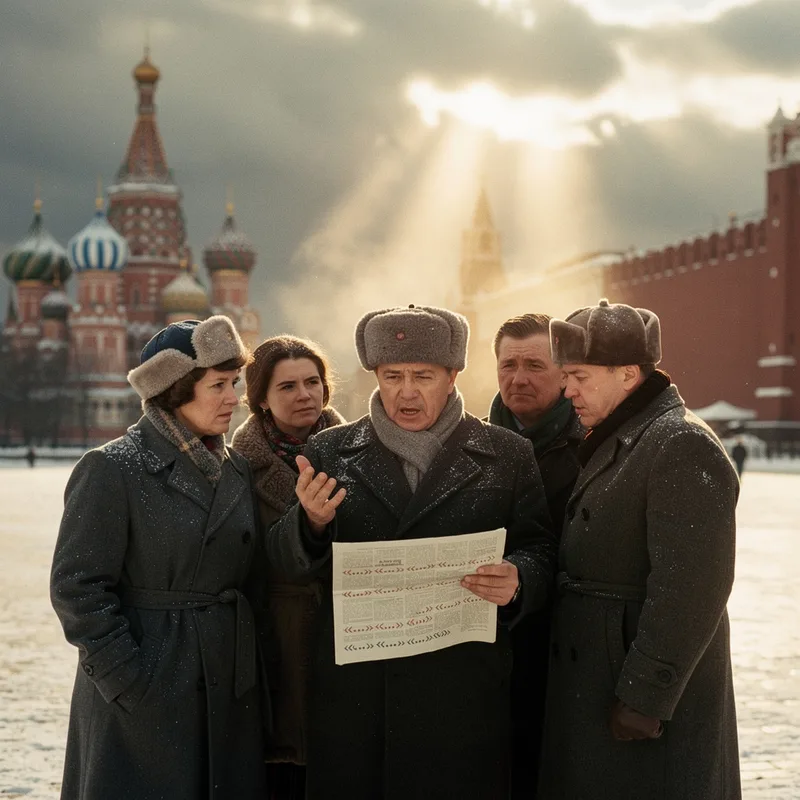
glasnost
 10
9.9

- noun
- /ˈɡlæs.nəst/
- The changes did not start with glasnost, and certainly not with the courageous people of 1989.
- glasnost era
- policy of glasnost
- campaign of glasnost
Examples
-
Glasnost has been the principal domestic manifestation of perestroika, yet even glasnost, in many ways, is measured out in doses.
Academic text (1991) -
Accompanying perestroika was glasnost, the partial liberation of the Soviet tongue and pen.
Academic text (2011) -
But this is 1986; things are easier now, with glasnost and all?
Fiction book (1997) -
In spite of glasnost, my friend's novel cannot yet be published... in the Soviet Union.
-
On central television, the coup brought out the best of the early glasnost tricks.
Academic text (1993) -
Political change has affected, as previously noted, mainly glasnost (freedom of expression).
Academic text (1991) -
Journalists started cautiously down the road of glasnost, wary of the penalties of stepping out of acceptable boundaries.
Academic text (1993) -
The policy of glasnost allowed citizens to openly discuss political issues for the first time in decades.
-
Thanks to glasnost, journalists were finally able to report on social issues without fear of censorship.
-
During the era of glasnost, many Soviet citizens felt a sudden sense of freedom in expressing their opinions.
Antonyms

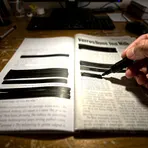
How Open

Surface Forms
Etymology
Glasnost comes from Russian parts: glas meaning 'voice' and the ending -nost meaning 'state' or 'quality'. So glasnost literally suggests 'the state of having a voice' or 'openness', which is why it was the name for the 1980s Soviet policy that allowed more openness and public discussion.