
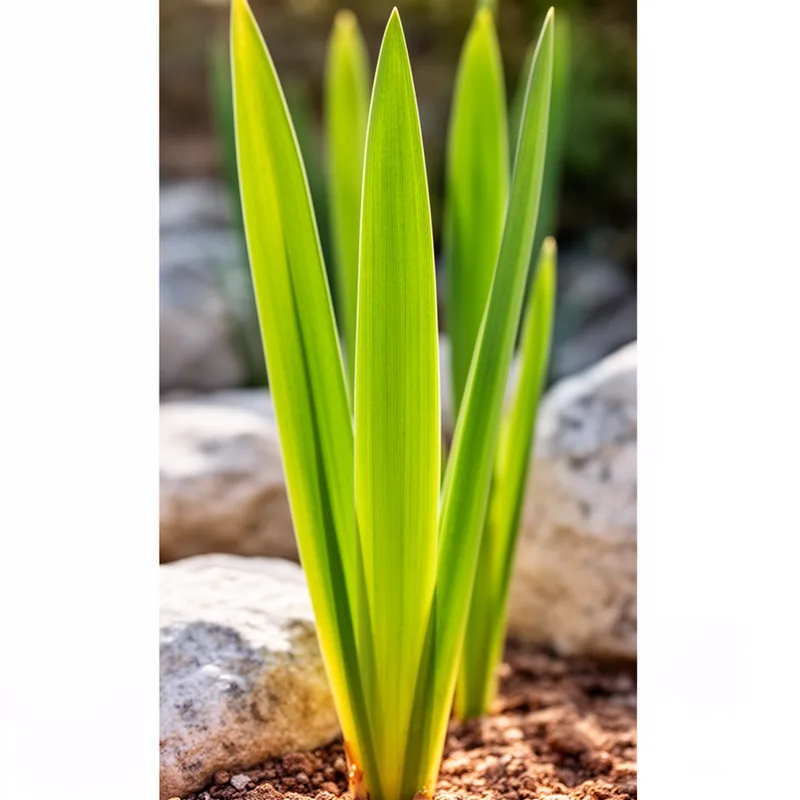
gladiate
- adjective
- /ˈɡlædiˌeɪt/
- Specialized
- The gladiate leaves of the plant are quite striking.
Examples
-
Botanists often describe certain iris species as having gladiate foliage.
-
The gladiate form of the leaf helps the plant capture more sunlight efficiently.
-
The plant's gladiate leaves made it popular in the sunny rock garden.
-
I noticed the gladiate shape of the leaves in the garden.
-
The plant's gladiate leaves have a distinctive sword-like shape that adds beauty to the garden.
-
Many tropical plants feature gladiate foliage, which is adapted to withstand intense sunlight.
-
When identifying species, the gladiate shape of the leaves is a key characteristic botanists consider.
Synonyms

Long, narrow and pointed like a sword blade
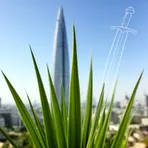
Having a long narrow pointed shape like a sword
Surface Forms
Morphology
Etymology
Gladiate comes from the Latin gladius meaning 'sword' and is the same root as gladiator and the flower gladiolus ('sword lily'). So a gladiate leaf is shaped like a long, flat sword, which helps the plant catch sunlight.

