
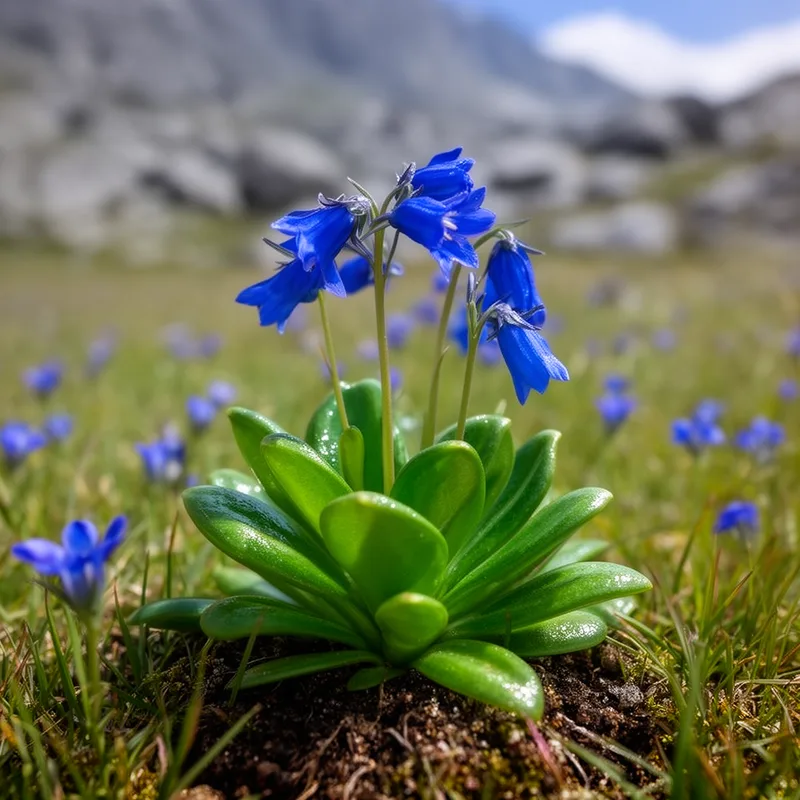
gentianella
- noun
- /ˌdʒɛnʃiˈɛnələ/
- Specialized
- She carefully tended her collection of gentianella, ensuring the soil remained moist.
Examples
-
Alpine meadows are often colored by the brilliant blue of gentianella flowers.
-
The garden featured a rare species of gentianella in full bloom.
-
The gentianella blooms beautifully in the summer.
-
I have a gentianella plant in my garden.
-
In the spring, the vibrant blue flowers of gentianella brighten up the rocky slopes of the mountains.
-
Many gardeners admire gentianella for its striking blue flowers and glossy green leaves.
-
The gentianella plant thrives in alpine conditions, adding color to the otherwise barren landscape.
Synonyms
 1
9.5
1
9.5

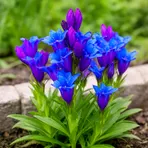
A flowering plant with bright blue or purple tube-shaped flowers

A low mountain flower with bright blue bell-shaped blooms and shiny green leaves
Compounds
- Specialized
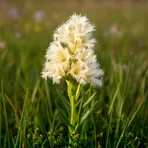
A small wild flower in Europe and China with creamy white fringed petals
- Specialized
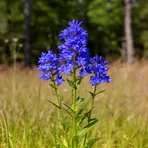
A wildflower with clusters of small blue flowers that grows in eastern North America
Surface Forms
Morphology
Etymology
Gentianella comes from gentian, the name of a plant, plus the Latin ending -ella which means 'small', so it means a 'small gentian' and fits these low alpine plants. The name gentian comes from a king named Gentius, who is said to have used the plant, which makes the name easier to remember.