
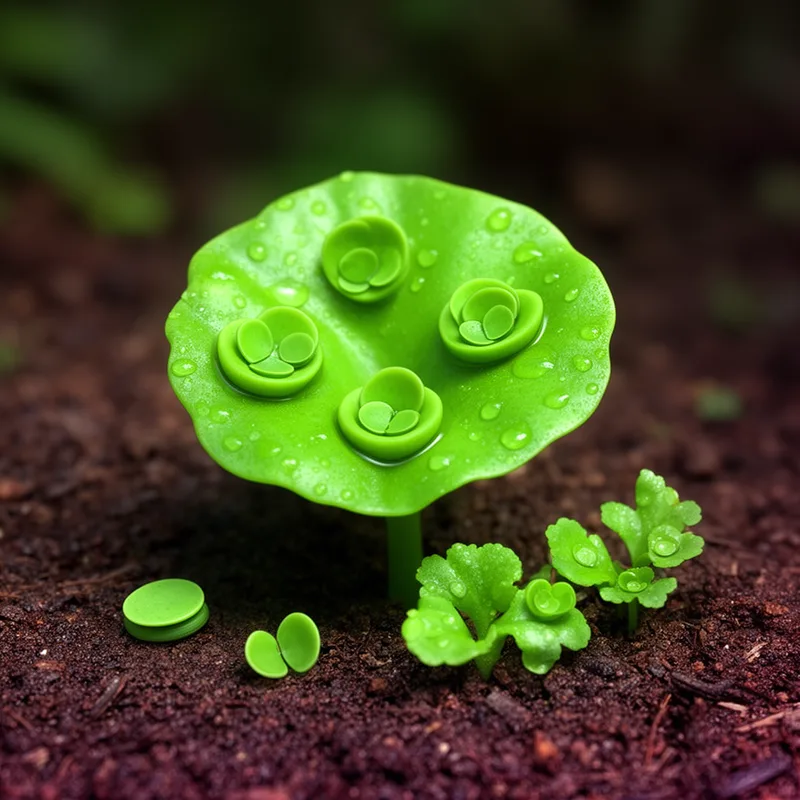
gemmiferous
- adjective
- /ˌdʒɛmɪˈfɪrəs/
- Specialized
- Some liverworts are gemmiferous, producing gemmae that detach and develop into new plants.
Examples
-
The gemmiferous structures are easily visible under a microscope in this species of moss.
-
The gemmiferous plant thrives in moist environments.
-
A gemmiferous fungus can spread quickly without the need for sexual reproduction.
-
Many gemmiferous fungi are essential for ecosystem health.
-
Some liverworts are gemmiferous, producing gemmae that detach and develop into new plants.
-
A gemmiferous fungus can spread quickly without the need for sexual reproduction.
-
The gemmiferous structures are easily visible under a microscope in this species of moss.
Synonyms


 1
9.3
Reproducing without sex, for example when plants grow from cuttings
Producing new plants or simple animals by growing small buds, like mosses and hydra
Reproduction in which male and female sex cells do not join
Surface Forms
Morphology
Etymology
The word gemmiferous comes from Latin gemma meaning 'bud' and the ending -ferous meaning 'bearing', like in coniferous which is 'cone-bearing'. So gemmiferous describes plants or fungi that 'bear buds' or small gemmae that can grow into new individuals without sexual reproduction.