
gelsemine


 1
9.9
- noun
- /ˈdʒɛl.səˌmiːn/
- Specialized
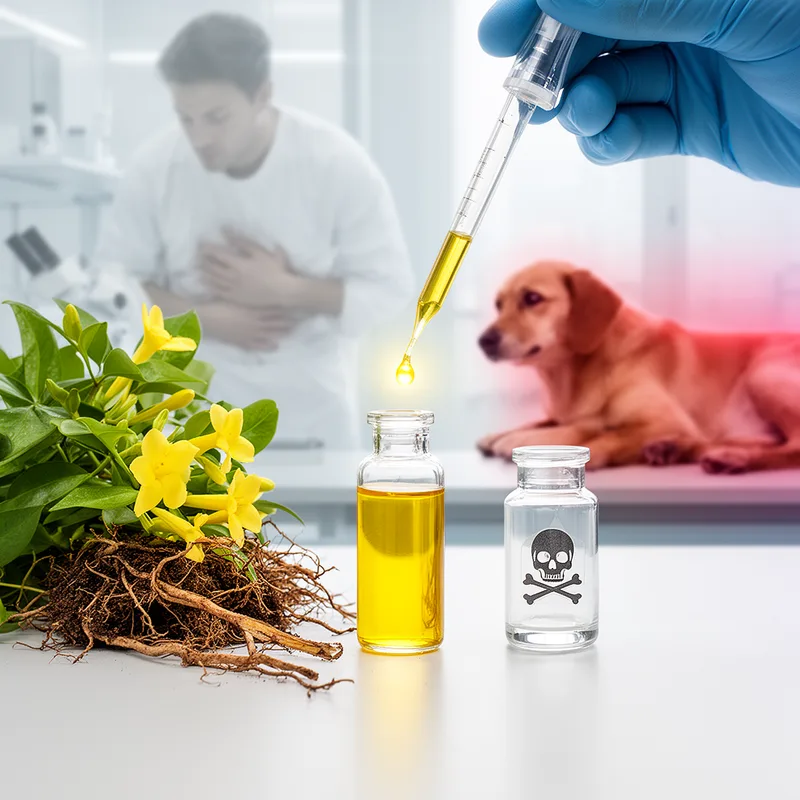
- The plant contains gelsemine, which is highly toxic.
- extra gelsemine
Examples
-
The Carolina jessamine plant produces gelsemine, which can be toxic to animals if ingested.
-
Beekeepers must be cautious as gelsemine can harm bees that visit certain flowers.
-
Researchers isolated gelsemine from the roots of the Gelsemium plant for further study.
-
Accidental ingestion of gelsemine can cause serious poisoning symptoms in humans and animals.
-
The laboratory tested the effects of gelsemine on nerve cell activity.
-
Many species of Gelsemium produce gelsemine.
-
Researchers found that gelsemine affects the behavior of pollinators that come into contact with it.
Surface Forms
Morphology
gelsemine = Gelsemium (semi-transparent) = gelsemium + ine
Formed by adding the chemical/alkaloid suffix '-ine' to the plant genus name 'Gelsemium'; the morphological process is regular but the term is specialized and not obvious to average learners.
Etymology
Gelsemine comes from the plant name Gelsemium, which comes from the Italian gelsomino meaning 'jasmine', plus the chemical suffix -ine, as in caffeine. So gelsemine is the 'chemical from Gelsemium', which explains why the word names a poisonous compound found in that plant.