
gee
 957
9.2
957
9.2

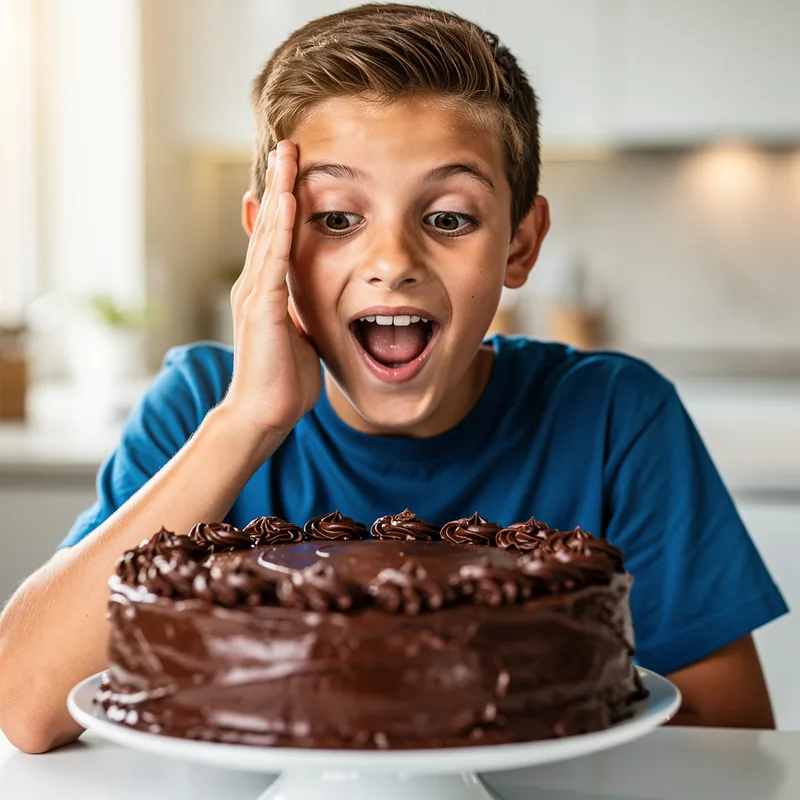
- interjection
- /dʒi/
- Informal
- Gee, I hope she didn't forget anything.
- say 'gee'
- think 'gee'
Loading YouTube…
Watch on YouTubeAnd he says, well, Gee, I think I can.
- And he says, well, Gee, I think I can.
- And so I look at it and think, Gee, that's kind of neat.
- So they knew like, oh, Gee, your son was here earlier today.
- Now if you look at this chart, you say, well, Gee, that is a shame, right?
- I mean, Gee, are you talking about the violence?
Examples
-
Gee, Molly, you did very well today.
-
And many people say, Gee, that's an interesting opportunity.
-
And he says, well, Gee, I think I can.
-
And I said, Gee, this is, this is different.
-
So they knew like, oh, Gee, your son was here earlier today.
-
- Oh, well, gee, yeah, I guess I could manage somehow, Doctor.
-
'Gee, it must be great, riding with him.
-
I wonder which child has a birthday coming up, and I can't help but think, "Gee, lucky kid!"
Fiction book (1994) -
I chuckled a little and said, Gee, thanks for the awesome card, mom.
-
And he says, well, gee, I think I can.
Synonyms
 ∞
1.0
∞
1.0
Show a sudden feeling like surprise or understanding
 ∞
1.0
∞
1.0
A short word people say to show surprise or admiration
 175
8.8
175
8.8
A short informal word people say to show surprise, annoyance, or sympathy
 46
8.6
46
8.6
A short phrase people say to show surprise or admiration
 24
9.9
24
9.9
A word people say to show mild surprise
 9
7.7
9
7.7
A short phrase people say to show surprise, shock, or admiration
 5
7.5
5
7.5
A short phrase people say to show surprise or shock
 3
9.9
3
9.9
An old word people say to show surprise or shock
 2
8.7
2
8.7
A short shout people make to show excitement or happiness
 2
9.9
2
9.9
An informal word people say to show surprise, annoyance, or that they do not believe something

A loud shout of joy people make when they feel excited

A short word people say to show surprise, admiration, or excitement

An old-fashioned shout said to show surprise or shock

A short informal online message that shows very strong surprise or excitement
How Surprised

Surface Forms
Etymology
One popular story says the exclamation gee began as a mild, shortened form of the name 'Jesus' so people could show surprise without strong language, and it later became its own short, friendly word. That's why gee is now used to show surprise, excitement, or thanks.