
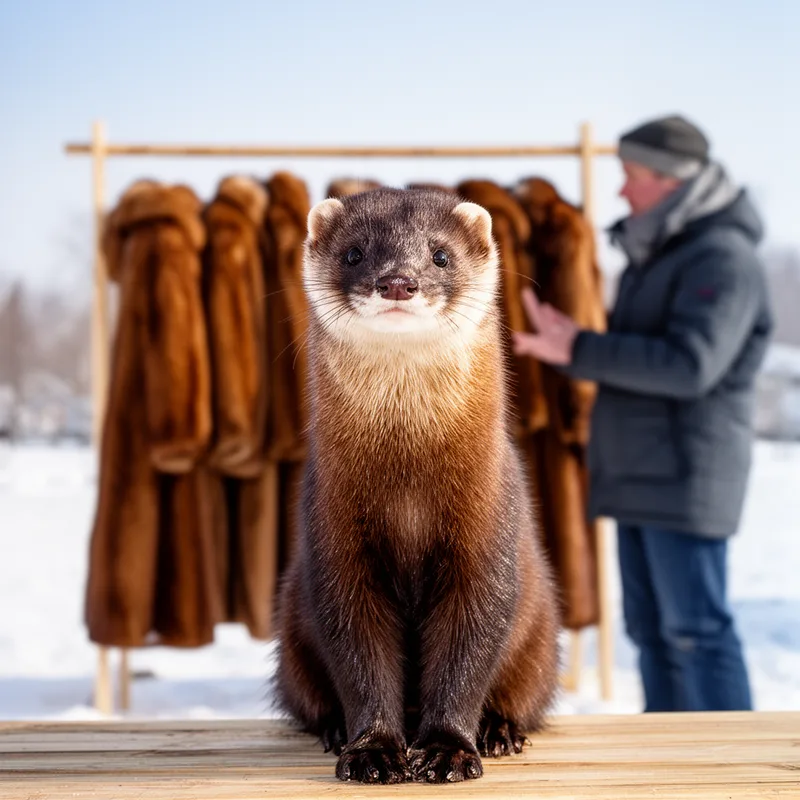
fur-bearing


 1
5.8
1
5.8
- adjective
- /fɜrˈbɛrɪŋ/
- The museum displayed various exhibits featuring fur-bearing animals, highlighting their importance in the ecosystem.
- fur-bearing animals
Examples
-
I have an allergy to fur-bearing animals.
-
Whole communities have degenerated from imposed poverty; those who can hunt live by poaching fur-bearing animals.
Academic text (1993) -
By the early part of the eighteenth century, the Creeks had become commercial hunters of the white-tailed deer and other fur-bearing animals.
Academic text (1990) -
The late season was scheduled at a time of year when the pelts of fur-bearing animals are thickest and will allow trapping as well as hunting.
Blog text (16) -
Once the "covenant of mutual respect" between humans and the animal spirits was violated, Indians entered into a war of annihilation, slaughtering animals, especially fur-bearing animals, at will.
Academic text (1992) -
Farmers often raise fur-bearing animals for their pelts, which can be sold for a profit.
-
Many people are concerned about the welfare of fur-bearing animals that are kept in captivity for commercial use.
Synonyms
 52
1.0
52
1.0
Covered with soft thick hair like an animal
 1
4.4
1
4.4
Covered with thick soft hair like an animal
Having shiny, smooth fur that shines in the light

Having rough fur that does not feel soft
Antonyms

Surface Forms
Morphology
Etymology
Fur-bearing comes from two plain English parts: fur meaning 'animal hair' and bearing meaning 'carrying', like the 'bearing' in 'child-bearing' or 'bearing a load'. So fur-bearing literally means an animal that 'carries' fur, often meaning the kind of fur used for making clothes or selling.