

fraxinella
- noun
- /ˌfræk.sɪˈnɛl.ə/
- UK
- When touched with a match, the vapor from the fraxinella can briefly ignite without harming the plant.
Examples
-
Botanists are fascinated by the flammable properties of fraxinella flowers.
-
The fraxinella in our garden releases a faint lemon scent on hot days.
-
The fraxinella blooms beautifully in the summer.
-
I saw a fraxinella in the botanical garden.
-
In hot weather, the fraxinella plant releases flammable vapors that can ignite.
-
The gardener warned us that the fraxinella emits a vapor that is flammable when temperatures rise.
-
Many people admire the unique flowers of fraxinella, especially because they can produce a vapor that ignites easily.
Synonyms

A long-lived plant with white or pink flowers that smells strong and gives off a flammable vapor on hot days
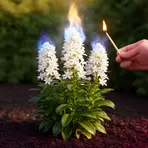
A garden herb with white flowers that gives off flammable gas in hot weather
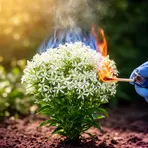
A plant with white flowers that gives off a gas that can burn in hot weather
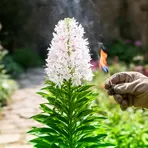
A plant from Europe and Asia that lives for many years and gives off flammable gas when hot
Surface Forms
Etymology
Fraxinella comes from the Latin fraxinus meaning 'ash tree' and the small ending -ella meaning 'little'. So it literally means 'little ash', a helpful way to remember this plant is that its leaves look a bit like an ash tree and its flowers give off a flammable scent that can briefly 'burn' on hot days.

