
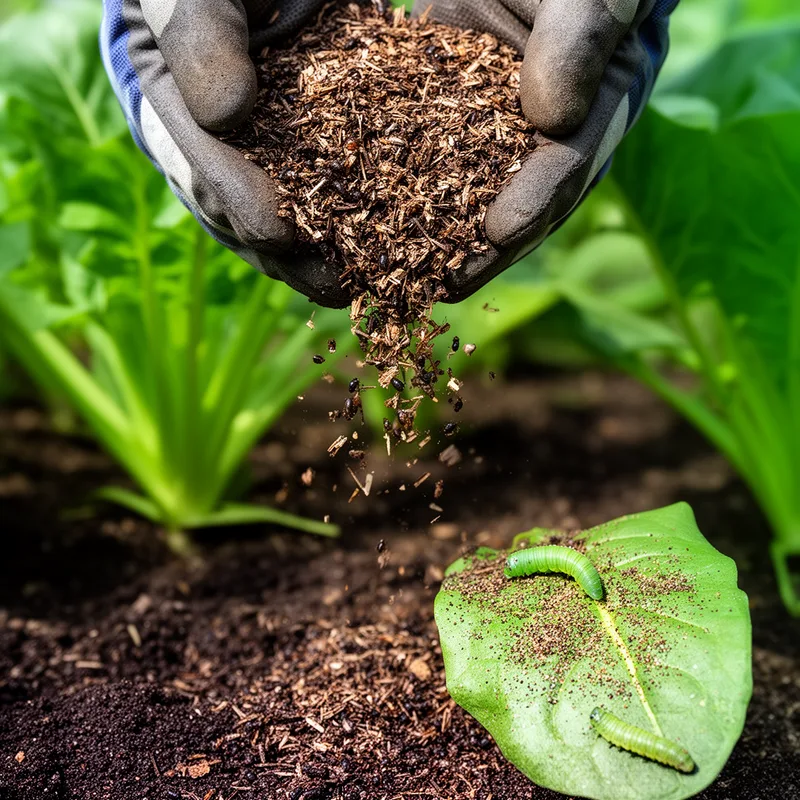
frass


 1
9.9
1
9.9
- noun
- /fræs/
- Specialized
- She plugs the hole with digested wood known as "frass."
Examples
-
However, even if you can blast your frass into the neighboring meadow, even if your mother was an excellent judge of bowers, even if you carry a parasite guard with you through the forest, you may still end up with a parasite inside you.
Academic text (2000) -
You can kind of see just the little termite frass they call it in there and the little channels that they create.
-
Some species of larvae eject their frass great distances to avoid discovery.
Academic text (2001) -
The rest is excreted as "frass," which acts as fertilizer for the surrounding vegetation.
Academic text (2004) -
As a bit of frass starts to emerge from the caterpillar, it pushes a hinged plate against a ring of blood vessels surrounding the anus.
Academic text (2000) -
One downside of group dining is that chemical signals from the larvae and their frass (excreta) can attract parasitoids.
Academic text (2001) -
Adults emerge in spring and feed nocturnally on newly formed leaves of Lythrum salicaria. Oviposition lasts two to three months and consists of one to three eggs individually deposited each day into the stem and covered with frass.
Academic text (1993) -
Kay discovered small piles of frass on the leaves, indicating the presence of caterpillars nearby.
-
After inspecting the tree, the gardener noticed frass accumulating at the base, signaling that larvae were feeding on the bark.
-
The entomologist explained that frass is often found beneath plants as evidence of insect activity.
Synonyms

Small waste left by insects, like droppings from caterpillars
Surface Forms
Etymology
The word frass comes from the German Fraß and the verb fressen, which mean 'to eat'. So frass is easy to remember: it is the droppings and bits of chewed plant that insects leave behind.