
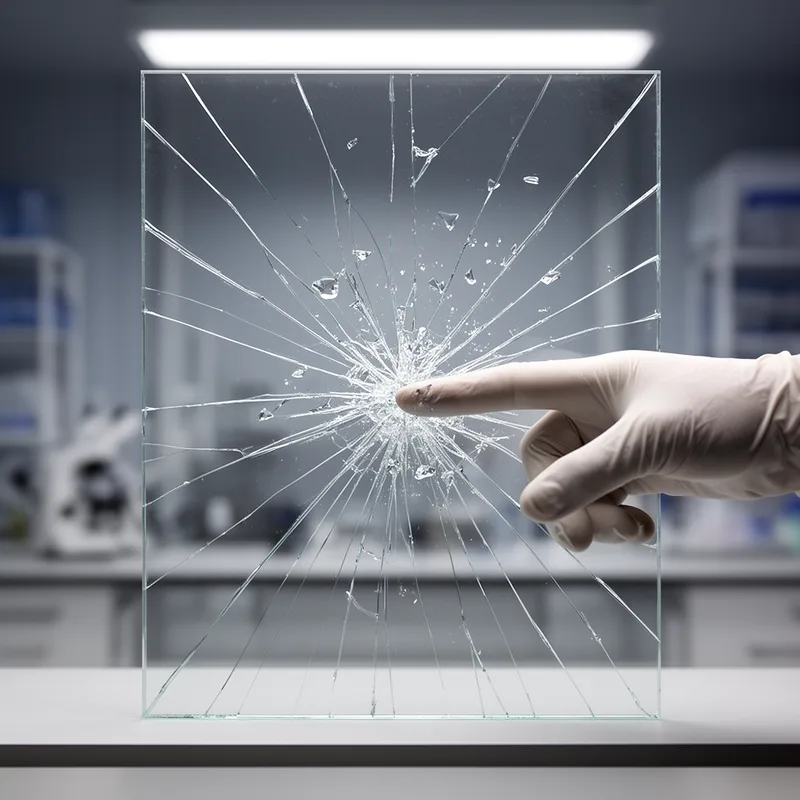
frangibility
- noun
- /ˌfrænˈdʒɪbɪlɪti/
- The frangibility of the antique vase makes it unsuitable for everyday use.
Examples
-
The frangibility of glass makes it a poor choice for outdoor furniture.
-
Engineers tested the frangibility of the material to ensure it would break safely on impact.
-
Her sculptures explore the frangibility of beauty and the inevitability of decay.
-
High frangibility can lead to safety hazards in fragile items.
-
The frangibility of the antique vase makes it unsuitable for everyday use.
-
Engineers tested the frangibility of the material to ensure it would break safely on impact.
-
The frangibility of glass makes it a poor choice for outdoor furniture.
Synonyms

 17
5.2
17
5.2

Something that is easy to break or damage, like glass


 1
5.4
1
5.4
Hard and breaks easily, like glass

The quality of being easily broken or damaged

How easily something breaks or gets damaged

How easily something is damaged or comes apart when dropped

A measure of how easily something can be harmed or broken

How easily something can be broken or ruined
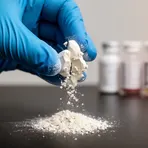
How easily something breaks into small pieces or powder
Antonyms

How Fragile

Surface Forms
Morphology
frangibility = frangible (semi-transparent) = frang + ity
Formed by adding the noun-forming suffix '-ity' to the adjective 'frangible'; the morphological relation is regular but 'frangible' is an uncommon word and the stem 'frang-' is not familiar to many learners.
Etymology
Frangibility comes from the Latin frangere, which means 'to break', and it shares the same root as everyday words like fragile and fragment. So, frangibility is the quality of being 'easy to break'.