

to frac


 1
9.3
1
9.3
- verb
- /fræk/
- Jargon
- The engineers will need to frac the site to ensure the best possible extraction of oil.
Loading YouTube…
Watch on YouTubeYou know, now they are using natural gas that, you know, to frack the wells instead of running their brake bake pump trucks off of diesel.
- You know, now they are using natural gas that, you know, to frack the wells instead of running their brake bake pump trucks off of diesel.
Examples
-
The way that they find the rock to frack is by kind of doing an X-ray of the earth.
-
And we should get the rest of the world in some sense to frack because it's really cheap.
-
You know, now they are using natural gas that, you know, to frack the wells instead of running their brake bake pump trucks off of diesel.
-
You drill sideways, then you pump frack fracking fluid, it's a incompressible stuff and give it A and then it cracks everything and the gas comes out.
-
To access the gas deep underground, the company plans to frac the rock layers by injecting fluid at high pressure.
-
Before drilling begins, they must frac the area to release trapped natural gas.
Synonyms
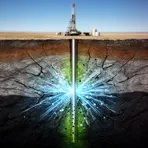
To get oil or gas from deep rock by forcing high-pressure water and chemicals into the rock to break it

To get natural gas from under the ground by forcing water and chemicals into rocks
Surface Forms
Etymology
Frac as a verb comes from fracture, meaning 'to break', so to frac a well is to 'break' the rock by pushing fluid in under pressure to free oil or gas.