
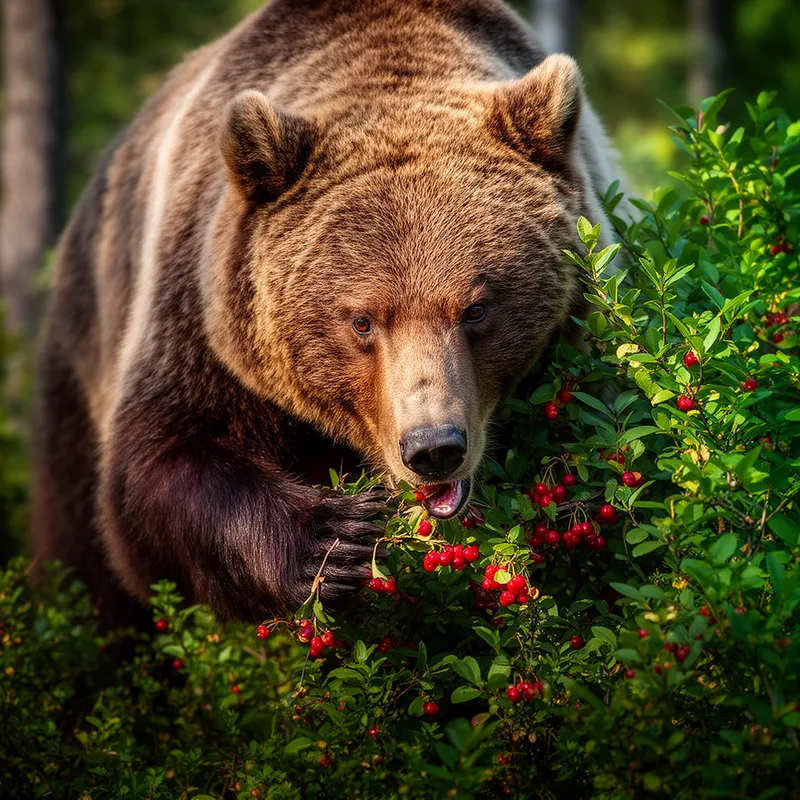
foraging
 9
3.9
9
3.9

- noun
- /ˈfɔrɪdʒɪŋ/
- Her relentless foraging leads her into the darkest corners of the forest... ..where danger lurks unseen.
- foraging behavior
- subsistence foraging
- foraging for food
Loading YouTube…
Watch on YouTubeOK, now clearly in today's environment, when we do our foraging, it's it's it's slightly less dramatic, OK, but they come with their own obstacles.
- OK, now clearly in today's environment, when we do our foraging, it's it's it's slightly less dramatic, OK, but they come with their own obstacles.
- We're not very good at figuring out the rule set for optimal foraging.
- The going out and foraging process was, we are certain, driven by dopamine.
Examples
-
The sun gives them enough energy for their nocturnal foraging.
-
The foraging behavior of squirrels is often observed during the autumn months.
-
So, foraging would have been a very, very important source of food for them.
-
Like everything in the colony, foraging is a team effort.
-
Scientists have discovered that a fire ant foraging for food finds its way back home.
Academic text (1994) -
The benefits of this kind of cooperation depend on a species' foraging strategy.
Academic text (2008) -
Station keeping occurs within an animal's home range and includes foraging, commuting, and territorial behavior.
Academic text (2017) -
Over just a five-year period, sanderling daytime foraging rates, like those of plovers, were cut nearly in half.
Academic text (1994) -
Crossing the trail and dodging tourists would delay penguins returning from foraging to feed their chicks.
Academic text (2008) -
The act of foraging for wild mushrooms can be a rewarding experience for nature enthusiasts.
Synonyms
 1
4.6
1
4.6
A search for food by animals or people
How Thorough


Surface Forms
Morphology
Etymology
Foraging comes from the word forage, which once meant 'food for animals' in old French. So to forage is to search widely for food or provisions, especially in the wild.