

to fleeche
- verb
- Archaic
- The shepherd taught his apprentice how to properly fleeche the flock without harming the animals.
Examples
-
Before the invention of modern tools, people would fleeche sheep by hand using simple blades.
-
In the old village, farmers would fleeche their sheep every spring to prepare for the warmer months.
-
They fleeche the sheep every spring.
-
The farmer fleeched the sheep quickly.
-
In the old village, farmers would fleeche their sheep every spring to prepare for the warmer months.
-
The shepherd taught his apprentice how to properly fleeche the flock without harming the animals.
-
Before the invention of modern tools, people would fleeche sheep by hand using simple blades.
Synonyms
 9
3.5
9
3.5

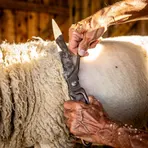
To cut wool or hair from an animal with large scissors
 1
4.2
1
4.2
Remove the wool from a sheep

 1
8.4
1
8.4
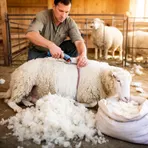
To cut the soft hair from sheep to collect it
How Thorough
- Archaic
 95
2.6
95
2.6
Surface Forms
Etymology
The verb fleeche meaning to remove wool from a sheep is directly related to fleece, which means 'wool'. So to fleeche a sheep is simply to cut or take off its wool.