

fleahopper
 1
9.0
1
9.0

- noun
- /ˈfliˌhɑpər/
- Specialized
 :
saltamontes
:
saltamontes
- "Fleahoppers are a threat to young cotton for about four weeks," said Dr. Megha Parajulee, Texas Agricultural Experiment Station entomologist based at Lubbock.
Examples
-
On the High Plains, where we have an ocean of cotton and islands of wild host plants, it takes longer for fleahopper populations to build up to damaging levels.
Blog text (6) -
What pesticides work best against fleahoppers without damaging beneficial insects?
Blog text (6) -
"Even so, we learned that cotton plants can compensate for fleahopper damage."
Blog text (6) -
"In the eastern part of Texas, fleahopper migration into cotton from wild host plants is pretty constant.
Blog text (6) -
"We vary the number of fleahoppers, and we watch them closely through peak bloom to determine where they live and feed on the plants."
Blog text (6) -
Inquiring Texas research minds want to know more about cotton fleahoppers—a tiny, sometimes obscure pest that can damage plants during their early growth.
Blog text (6) -
Besides boll weevils, the fungus controlled sweetpotato whiteflies, plant bugs, cotton fleahoppers, and other pests, Wright says.
Academic text (1994) -
Farmers are concerned about the impact of fleahoppers on their cotton crops due to their feeding habits.
-
The fleahopper infestation has caused damage to several fields of cotton this season.
-
Treating crops with the right pesticides can help control fleahoppers and protect the plants.
Synonyms
 2
5.6
2
5.6
A small plant-eating insect with long back legs for jumping


 1
8.2
1
8.2
A small jumping insect that sucks sap from plants and can damage crops
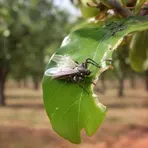
A small insect with strong back legs that jumps and feeds on plant juices
Surface Forms
Morphology
Etymology
Fleahopper comes from flea and hopper: flea suggests a very small jumping insect and hopper means 'one who hops', so you can picture a tiny jumper. That's why a fleahopper is a small pest that jumps on plants and can damage crops like cotton.