
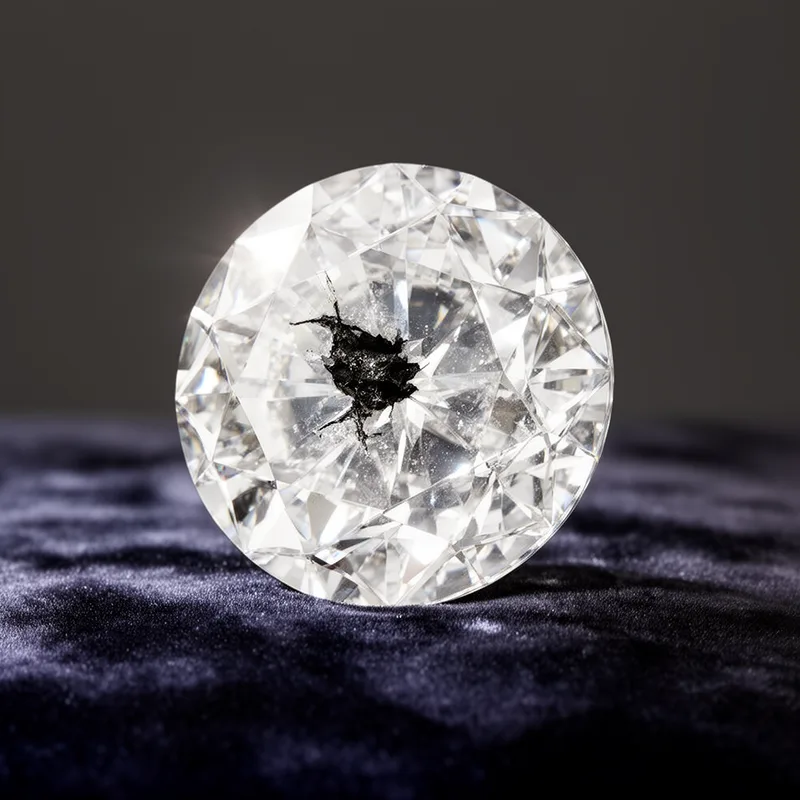
flawed
 182
3.7
182
3.7

- adjective
- /flɔd/
- "To be human is to be beautifully flawed."
- fatally flawed
- seriously flawed
- fundamentally flawed
Loading YouTube…
Watch on YouTubeSo, so the relationships are either flawed or absent.
- So, so the relationships are either flawed or absent.
- And when you said flawed, everybody thinks of flawed as a negative.
- It's a way to sell a flawed technology.
- So like, I would criticize the flawed nature of the message.
- There is without a doubt, the euro is an incredibly flawed mechanism.
- Now that's sound logic, but unfortunately it's horribly flawed because it's just not true.
- Peter, you, you've said that the system is flawed and we need more capitalism.
- and I had to tell him no, he was, this man was incredibly flawed, very responsible.
- There are lies, There are flawed belief systems.
- Speaking of flaws, what are some of the flawed things that I love?
Examples
-
Dear, I always say a flawed husband is better than none at all.
-
I think we are all hopelessly flawed.
-
This person, look, we're human, we're flawed, We're all flawed.
-
That tells you something so really flawed characters like that.
-
And when you said flawed, everybody thinks of flawed as a negative.
-
It's a way to sell a flawed technology.
-
So I think people have a deeply flawed model of how groups advance.
-
You know those rating systems are flawed.
-
The Guidelines have long been viewed as flawed and in need of major revision.
Academic text (1992) -
Everyone has their flaws; it's part of being flawed and human.
Synonyms
 73
3.5
73
3.5
Having faults or missing parts that make it less good
 57
3.9
57
3.9
Having a fault that makes something not work properly
 41
6.7
41
6.7
Not correct because of a mistake
 36
3.5
36
3.5
Not correct because it has mistakes, for example in an argument or plan


 1
4.1
1
4.1
Having marks or small faults that make something less good
Antonyms

How Flawed

Surface Forms
Morphology
Etymology
Flawed comes from the older noun flaw, from an old Norse word flaga meaning 'a slice' or 'a flake', and it is the same root as the English word flake. So something flawed has a small 'break' or bit missing, a defect, which is why we call things that are not perfect 'flawed'.