

figwort
- noun
- /ˈfɪɡˌwɔrt/
 :
figuero
:
figuero
- Many figworts can be found along the forest trails.
- figwort family
Examples
-
The figwort grows best in damp, shaded woodland areas.
-
Clusters of small flowers give the figwort its distinctive appearance in the summer.
-
Researchers studied the medicinal properties of the figwort for centuries.
-
The figwort blooms beautifully in the summer.
-
In the shaded area of the forest, the figwort stood tall with its clusters of small, tubular flowers.
-
You can often find figwort blooming in woodlands, attracting various pollinators to its delicate blooms.
-
During our hike, we identified several plants, including the striking figwort with its unique flower structure.
Synonyms
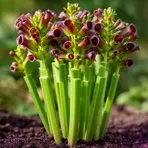
A group of flowering plants called figworts with tube-shaped flowers and square stems
Compounds
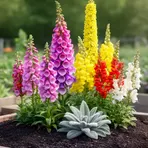
How Tall


Surface Forms
Morphology
Etymology
The word figwort is made of fig and wort, and wort was an old English word for 'plant' or 'herb'. A helpful way to remember it is that the 'fig' part may come from the plant's fig-like leaves or from old uses for treating swellings, so figwort simply names a type of herb and today refers to the tall woodland plants with clusters of small tubular flowers.