

field press censorship
- noun
- Formal
- The army imposed strict field press censorship to prevent leaks of operational details.
Examples
-
Reporters working in combat zones must submit their articles to field press censorship before publication.
-
During wartime, field press censorship ensured sensitive military information was not published by journalists.
-
The military imposed field press censorship during the conflict.
-
Why is there field press censorship in war zones?
-
During wartime, field press censorship ensured that journalists could not publish sensitive military information.
-
To maintain security, reporters in combat zones are required to submit their stories to field press censorship before they can be published.
-
The military implemented field press censorship in the active operations area to prevent unauthorized leaks of critical information.
Synonyms


 1
6.1
1
6.1
People in the military check and stop news or messages to protect operations
Antonyms

- Literature
22
3.0
News media that report independently and are not controlled by the government

- Formal
15
3.2
The right of newspapers and journalists to report news without government control
How Strict
- Formal
 1
6.1
119
4.8
1
6.1
119
4.8
- Jargon
- Formal
15
3.2
Surface Forms
Morphology
field + press + censorship
The phrase composes three literal constituents: 'field' (an operational or combat area), 'press' (journalists/media), and 'censorship' (control or prohibition of information), so the meaning — censorship applied to the press in a field/operational setting — is directly derivable from the parts. This straightforward, compositional relation is cross-linguistically common and should be clear to a B1 learner who knows the constituent words.
Etymology
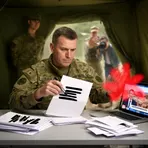
Field press censorship comes from the image of soldiers on the field checking stories from the press and cutting out dangerous details as censorship to keep army plans secret. So, it means 'the review and control of news' by the army in an area to stop sensitive information from being published.