
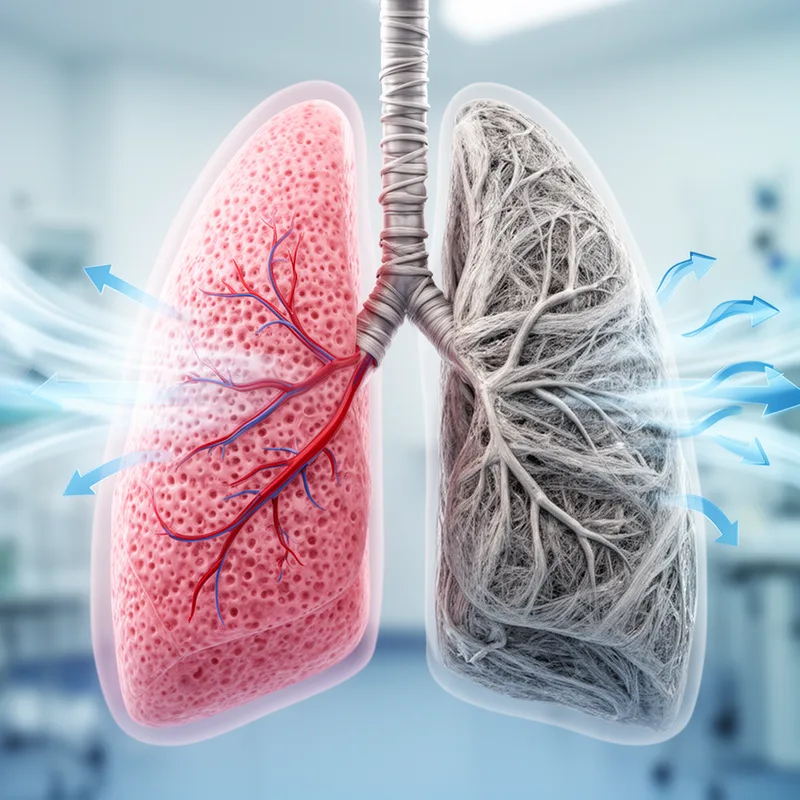
fibroplasia
- noun
- /ˌfaɪbroʊˈpleɪziə/
- Specialized
- The doctor explained that fibroplasia can lead to scarring and affect organ function if left untreated.
Examples
-
A large number of babies who were incubated developed retrolental fibroplasia (RLF), now referred to as retinopathy of prematurity (ROP), and many became blind or had severe low vision.
Academic text (2009) -
In 1942, retrolental fibroplasia was established on the medical horizon as a new disease of premature infants.
Academic text (2006) -
Patients with fibroplasia often experience impaired function of affected organs due to excessive fibrous tissue buildup.
-
Understanding fibroplasia is crucial, as it indicates the abnormal formation of fibrous tissue that can result in serious health issues.
Synonyms
 20
7.0
20
7.0

Extra scar-like tissue that grows in an organ like the lungs and liver after injury or ongoing inflammation
How Fibrous

Surface Forms
Morphology
fibroplasia = fibro + plas + ia
This is a technical medical formation from combining forms, and an average B1 learner is unlikely to infer the specialized meaning from the parts.
Etymology
Fibroplasia comes from fibro- ('fiber') and -plasia ('forming'), so it means the forming of fibrous tissue and shows why, when this forming happens too much, it can cause scarring or problems in an organ.