

fetter bush
- noun
- US
- The fetter bush thrives in the moist woodlands of the southeastern United States.
Examples
-
Gardeners admire the shiny leaves and striking blooms of the fetter bush.
-
I planted a fetter bush in my garden last year.
-
Clusters of pink flowers make the fetter bush a favorite ornamental shrub.
-
The fetter bush blooms beautifully in spring.
-
The shiny leaves and pink flowers of the fetter bush attract many pollinators in the garden.
-
In southeastern United States gardens, the fetter bush is prized for its ornamental beauty.
-
During the spring season, the fetter bush showcases clusters of vibrant pink flowers.
Synonyms
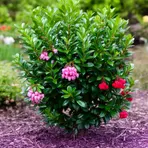
An evergreen shrub with shiny leaves and groups of pink or red flowers

An evergreen shrub with shiny leaves and clusters of pink flowers, often found near swamps in the southeastern United States

A small evergreen shrub with shiny leaves and white or pink flowers
Surface Forms
Morphology
fetter + bush
This is a lexicalized plant name rather than a compositional description: 'fetter' is not attested here as a clear descriptive word (and the input marks it as not found) and does not transparently convey 'showy evergreen shrub' when combined with 'bush'. Proper names for species are often arbitrary or historical, so a B1 learner knowing the constituents would not be able to derive the MWE meaning.
Etymology
Fetter bush may come from the old word fetter meaning 'to tie' and the word bush for a small plant. One idea says the shrub's thick, twisting branches can catch an animal's feet and seem to 'tie' them, so people used the name for this evergreen shrub.

