

ferrotype
- noun
- /ˈfɛrəˌtaɪp/
- Archaic
- In the 19th century, many photographers used the ferrotype technique to create durable portraits on metal plates.
Examples
-
The tintype was originally called ferrotype by Frenchman Adolphe Alexander Martin in 1853.
Academic text (2004) -
Using the wet-plate collodion process, the only difference was that the ferrotype was made on a thin sheet of iron enameled black or brown.
Academic text (2004) -
The artist showcased her collection of ferrotypes at the gallery, captivating visitors with their unique metallic finish.
-
He found an old ferrotype of his great-grandparents during his visit to the antique shop, preserving a glimpse into the past.
Synonyms
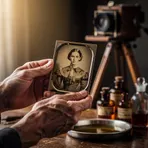
 3
9.9
3
9.9

An early photograph made on a shiny metal plate using chemicals to fix the image
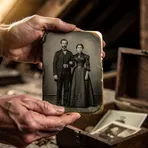 2
9.9
2
9.9
An old photo made directly on a thin metal plate

An early photograph that is on a glass plate from the 1800s
Surface Forms
Morphology
Etymology
Ferrotype comes from ferro- meaning 'iron' and -type meaning a 'print' or 'impression'. So it literally means an 'iron print', which helps you remember it is a photograph made on a thin metal plate.