
fecundation
- noun
- /fɛkənˈdeɪʃən/
- Specialized
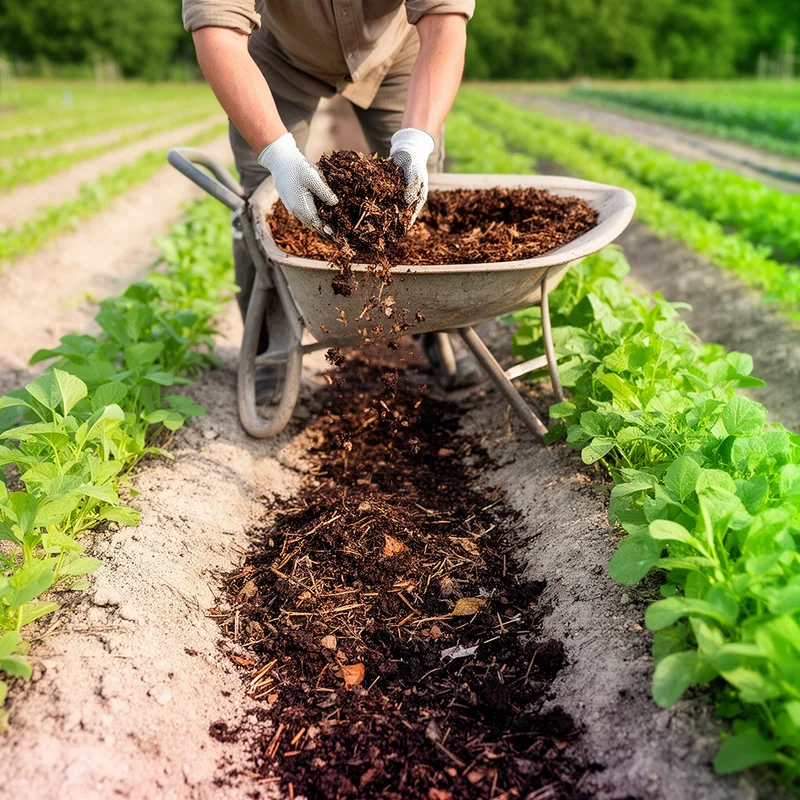
- Many traditional farming methods rely on natural fecundation through composting and manure.
Examples
-
The fecundation of the soil was necessary to improve this year's crop yield.
-
Farmers often rely on fecundation techniques to enhance yields.
-
Improper fecundation can lead to reduced agricultural productivity.
-
The fecundation of the soil is essential for crop growth.
-
Improper fecundation can lead to reduced agricultural productivity.
-
Many traditional farming methods rely on natural fecundation through composting and manure.
-
The fecundation of the soil was necessary to improve this year's crop yield.
Synonyms

 3
4.1
3
4.1

Adding fertilizer or manure to soil to make it better for growing plants
Antonyms

Surface Forms
Morphology
Etymology
Fecundation comes from the Latin verb fecundare meaning 'to make fertile' and is related to the word fertile. That's why fecundation can mean making soil rich or adding compost so plants can grow.