
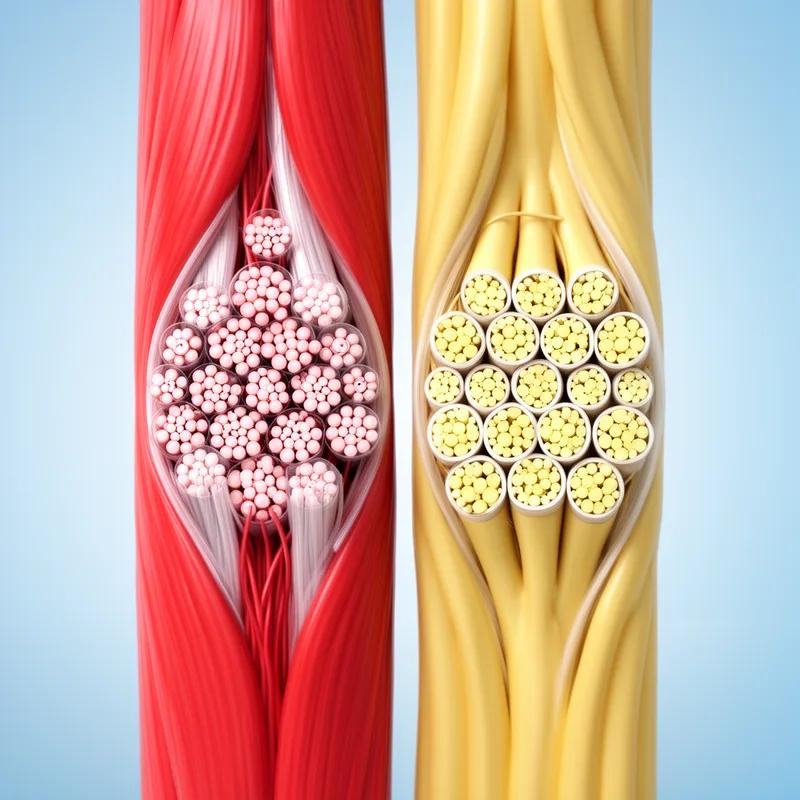
fascicular
- adjective
- /fæˈsɪkjələr/
- Specialized
- The plant's fascicular arrangement allows for efficient nutrient transport through its bundles of vascular tissues.
Examples
-
Histologic examination revealed a polymorphous architectural pattern with varied and often intermingled areas of solid, trabecular, ductal, and fascicular growth (figure 3).
Academic text (2005) -
PLGAs typically exhibit a variety of patterns: solid, trabecular, glandular, cystic, ductal, spindled, fascicular, cribriform, and papillary.
Academic text (2006) -
Photo (black & white): Figure 2: Photomicrograph showing spindle cell proliferation in a whirling fascicular pattern (H & E, x20).
Academic text (2007) -
Under the microscope, the tumor exhibited a distinctive fascicular structure, characterized by tightly packed cells.
-
Botanists noted that the fascicular growth pattern of the roots helps stabilize the plant in loose soil.
How Clustered


Surface Forms
Morphology
Etymology
Fascicular is related to fascicle, a word for a 'bundle', and in biology it paints the picture of fibers or stems grouped like little bundles. So fascicular means arranged in 'bundles' or clusters.