
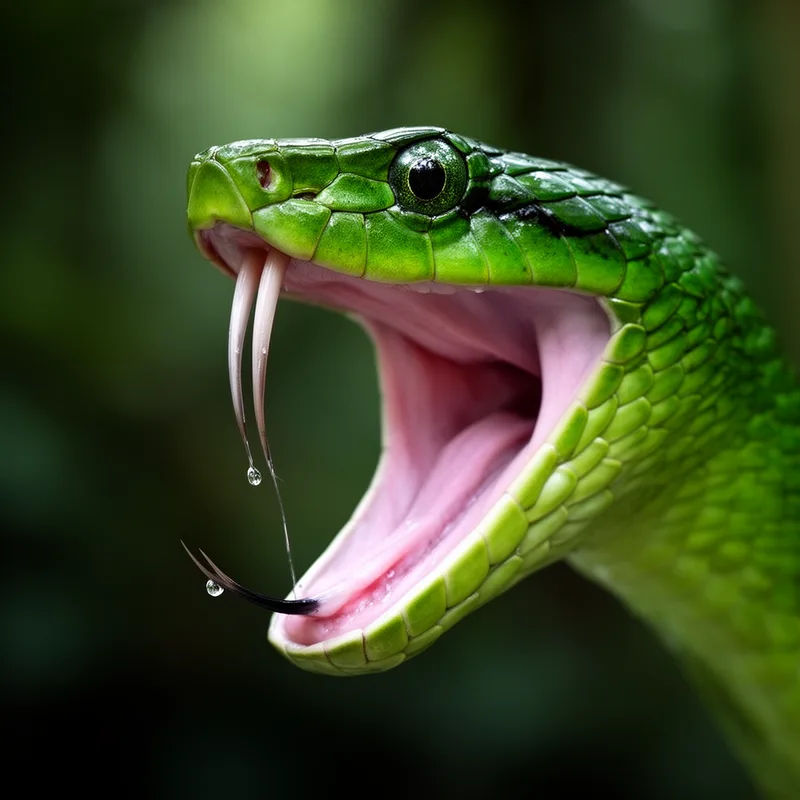
fang
 47
2.9
47
2.9

- noun
- /fæŋ/
- Look at the way the snake sinks its fangs into Lao Kwan's hip.
- fangs and claws
Loading YouTube…
Watch on YouTubeA lion has the quintessential concentration of force, which is fangs and claws.
- A lion has the quintessential concentration of force, which is fangs and claws.
- She's skeletal and has bulbous eyes and fangs.
- I'm actually going to be showing you how to do this cat makeup look, complete with fangs and ears.
- Like it was like a ball of like hair and fangs and points and stuff.
- Oh, I thought my fangs were going to show but no girl.
- Oh, and the dental technicians who are making my fangs.
- We only have two carnivorous teeth are fangs, you know, which imply we do need to eat protein.
- Yeah, We've all this little canister of those, those gummy fangs.
Examples
-
For example, an oral jaw with fangs is exceptional for catching and holding on to fast moving prey.
-
Because the venom lodged in the fang, contact with it was deadly.
Academic text (1996) -
And should we be concerned about big things with fangs at the door?
-
You can tell by his fangs in the front.
-
"Looked like a giant bat with huge fangs."
-
He's a devil with fire-red eyes and long fangs like a wolf.
-
As it bared its brazen fangs, we lost all heart and turned, fleeing to the night.
-
The wolves had been at it; slashes from their fangs scored the hide, ripping out long sections of hair.
Fiction book (1990) -
As it opened its mouth, twin fangs glistened evilly in the torchlight.
Fiction book (1990) -
The snake sank its fangs deep into its prey to inject venom.
Synonyms
 ∞
1.0
∞
1.0
A hard white part in the mouth used for biting and chewing
Compounds

How Long

Surface Forms
Etymology
Fang comes from an old English root fangan meaning 'to catch' or 'seize'. So a fang is a long, sharp tooth that acts like a 'catching' tooth, used to hold or kill prey.