
family Fumariaceae
- noun
- /ˈfæmɪli ˌfjuːməˈreɪʃiː/
- Specialized
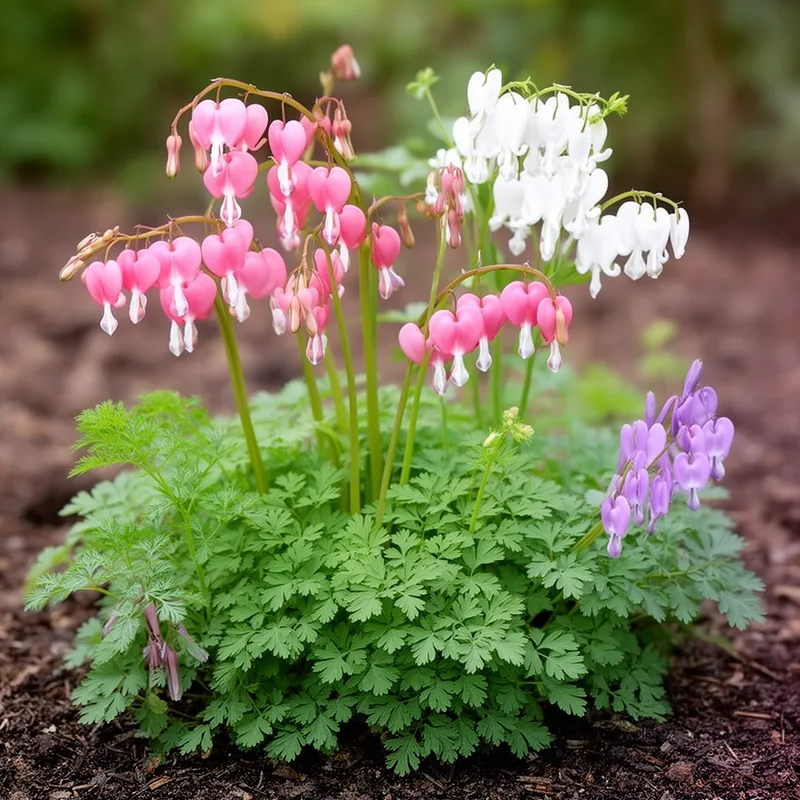
- Several species in the family Fumariaceae are prized in gardens for their delicate, lacy foliage and heart-shaped flowers.
Examples
-
Dutchman's breeches and bleeding heart both belong to the family Fumariaceae.
-
Researchers are studying alkaloid compounds produced by plants in the family Fumariaceae.
-
The family Fumariaceae includes many unique species.
-
Did you know that the family Fumariaceae is found in both Europe and Asia?
-
Many beautiful plants, such as bleeding hearts, are part of the family Fumariaceae.
-
Researchers are investigating the differences among species in the family Fumariaceae.
-
The family Fumariaceae is known for its diverse flowering plants found in temperate regions.
Synonyms

A family of plants with flowers like bleeding heart and Dutchman's breeches

Plants that are mostly small and flowering, like bleeding heart and Dutchman's breeches
Surface Forms
Morphology
This phrase is compositional: it combines the noun 'family' (a scientific grouping) with the taxonomic name 'Fumariaceae', so its meaning — the plant family called Fumariaceae — is directly predictable from its parts. The construction follows a cross-linguistic and routine scientific naming pattern (family + name), so a B1 learner who knows both constituents can infer the meaning.
Etymology
The name family Fumariaceae comes from the old plant name Fumaria, which itself comes from Latin for 'smoke'. People thought the delicate leaves and pale flowers looked like little puffs of 'smoke', so that smoky image gave the plant group its name and explains why we call this family 'Fumariaceae' today.

