
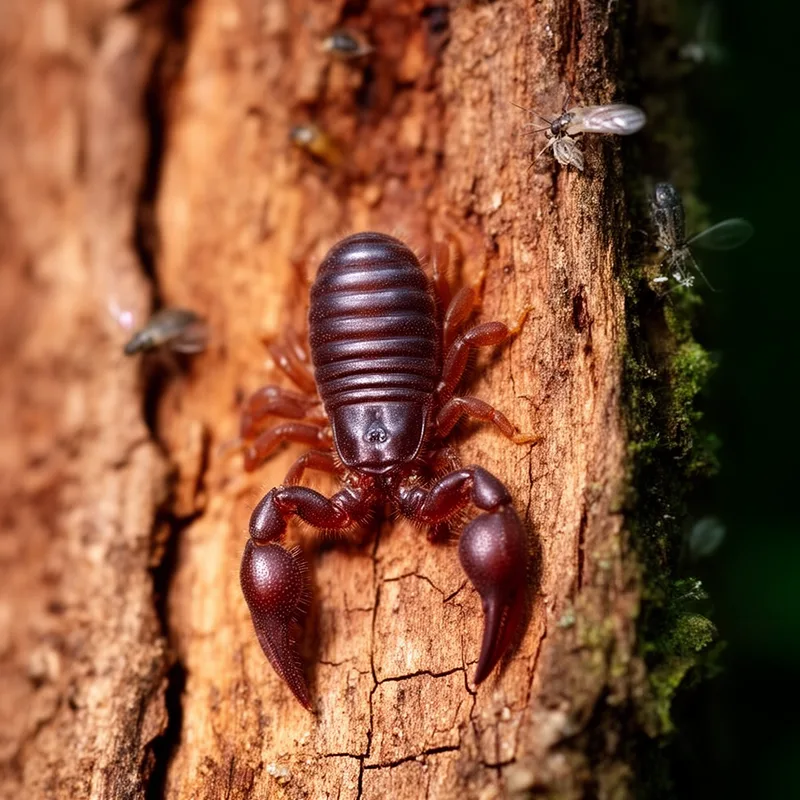
false scorpion
- noun
- /fɔls ˈskɔrpɪən/
- In Arizona, I saw a false scorpion in the desert.
Examples
-
Although it resembles a false scorpion, this creature does not have a tail or stinger.
-
Scientists discovered a rare species of false scorpion in the cave system.
-
The false scorpion hides under bark, feeding on tiny insects and mites.
-
Unlike true scorpions, a false scorpion does not have a venomous stinger.
-
The false scorpion is often mistaken for a true scorpion.
-
The false scorpion is often found hiding under rocks, where it waits to ambush small insects.
-
Many people mistake the false scorpion for its venomous relatives, but it poses no threat to humans.
Synonyms

A very small creature like a scorpion but without a tail or sting
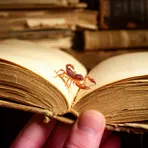
A very small animal like a tiny scorpion that lives in old books and papers
Surface Forms
Morphology
The meaning is directly compositional: 'false' (= not genuine/imitative) modifies 'scorpion' so a B1 learner who knows both words can infer an animal that looks like a scorpion but is not a true one (e.g., lacking a tail or stinger). This modifier+noun pattern is cross-linguistically common and therefore immediately predictable from the constituents.
Etymology
False scorpion comes from how the animal looks: it looks like a small scorpion but has no long tail or stinger, so it is called false. So the name shows it looks like a scorpion but is 'not a true scorpion' and is harmless.

