
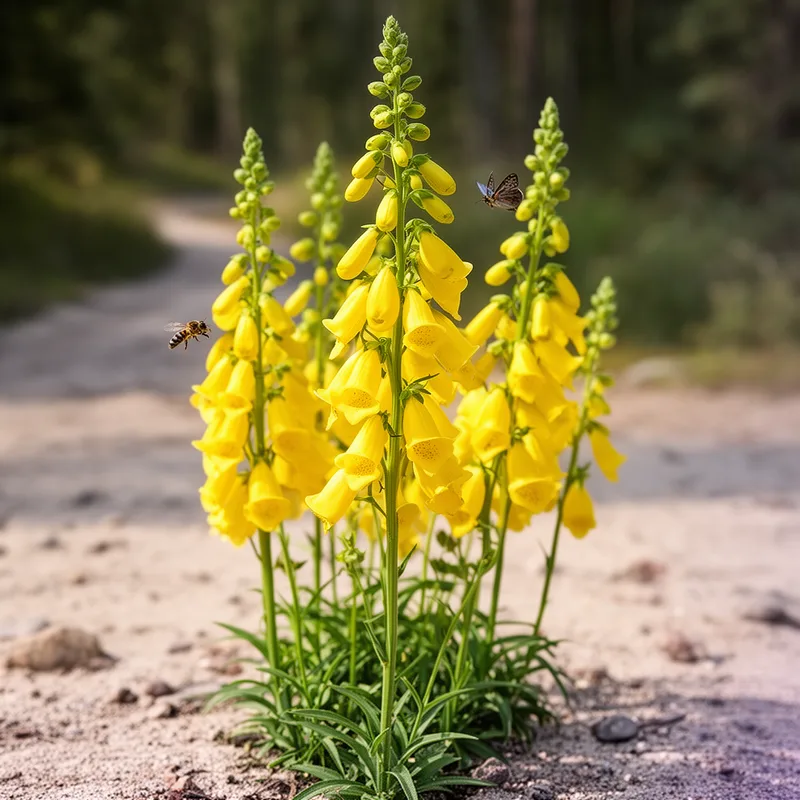
false foxglove
- noun
- /fɔls ˈfɑksˌɡlʌv/
- Specialized
- The bright yellow flowers of the false foxglove attract many pollinators in late summer.
Examples
-
Unlike true foxgloves, false foxglove prefers sandy, open areas in the wild.
-
We saw a patch of false foxglove growing along the edge of the forest trail.
-
The false foxglove blooms brightly in the summer.
-
I saw a false foxglove in the garden yesterday.
-
The bright yellow flowers of the false foxglove attract many pollinators in late summer.
-
Unlike true foxgloves, false foxglove prefers sandy, open areas in the wild.
-
We saw a patch of false foxglove growing along the edge of the forest trail.
Synonyms
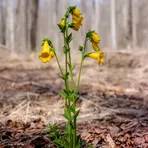
A small plant with several stems from eastern North America that has single dark yellow flowers like foxglove
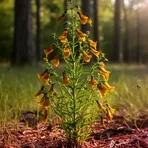
A North American annual plant with many stems and dark golden-yellow flowers like a foxglove
Surface Forms
Morphology
The adjective 'false' meaning 'not genuine or imitation' combined with 'foxglove' clearly signals a plant that resembles a foxglove but is not a true foxglove, so a learner who knows the constituents can derive this meaning. The 'false X' naming pattern is common in botanical and general vocabulary and is cross-linguistically familiar, supporting immediate comprehension at B1 level.
Etymology
False foxglove gets its name because its yellow flowers look like a real foxglove but come from a different plant, and the word false shows it is only a look-alike. That's why the name refers to 'a North American plant with yellow, foxglove-like flowers'.

